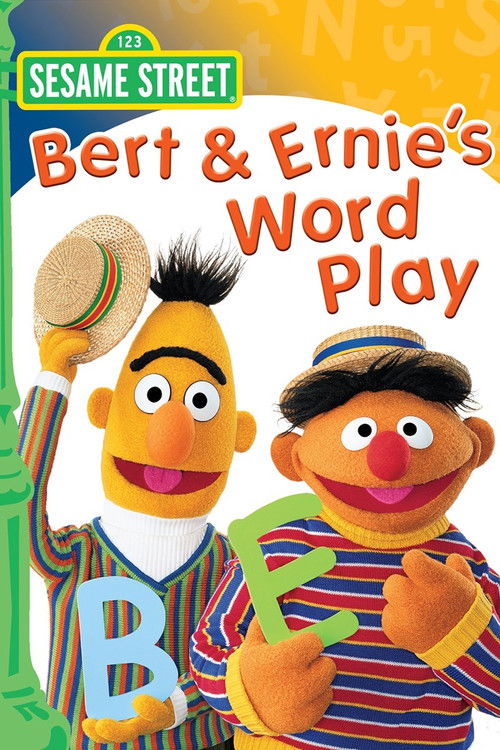
Sesame Street: Bert & Ernie's Word Play
2002
No user ratings available yet
Representation score: 7.8 out of 10

Representation Score
Excellent
1997
Runtime
60 minutes
Average Rating
No ratings yetNew Showbiz Analysis
Teletubbies: Here Come the Teletubbies succeeds in breaking down social hierarchies by using non-human avatars. By removing characters from a human socio-political context, the film creates a space where traditional power dynamics are replaced by a cooperative, non-binary social model. The work excels at challenging gendered expectations through its characters' behaviors and accessories. It moves away from rigid categorizations, favoring a communal existence that avoids the performance of authority. However, the reliance on non-human entities limits the depth of representation. The absence of human ethnic lineage and specific disability narratives prevents a higher score in racial and disability categories.
Category Breakdown
The characters exist outside traditional gender boundaries. Tinky Winky’s use of a red handbag challenges masculine norms, promoting a sense of gender fluidity.
The production avoids traditional hierarchies by showcasing a cooperative social structure. Characters engage in lateral play rather than roles of dominance or submission.
Identity is defined by hue and shape rather than human ethnicity. While lacking intentional diverse human casting, the non-human cast bypasses traditional racial identifiers.
The setting prioritizes a secular, sensory existence detached from Western institutions. It promotes a communal mode of life centered on play rather than productivity or authority.
The focus on repetitive, sensory-based play aligns with neurodivergent-friendly structures. However, the work lacks explicit depictions of characters navigating specific physical or mental health challenges.
Present on Screen
Limited or Absent
Official Synopsis
Tinky Winky, Dipsy, Laa-Laa and Po live over the hills and far away, in a magical land where anything can happen. It is the land where television comes from. When the wind blows, a magic windmill brings pictures from far away, joining the Teletubbies to the world of real children.
2002
2002
2000

1977
2005

1987
2008
2005
No reviews yet. Be the first to share your thoughts on this movie!
Use the rating form above to leave a star rating and optional review.