Barney: Jungle Friends
2009
No user ratings available yet
Representation score: 3.4 out of 10
Representation Score
Minimal
2005
TV-GDirector
Jim Rowley
Runtime
50 minutes
Average Rating
No ratings yetNew Showbiz Analysis
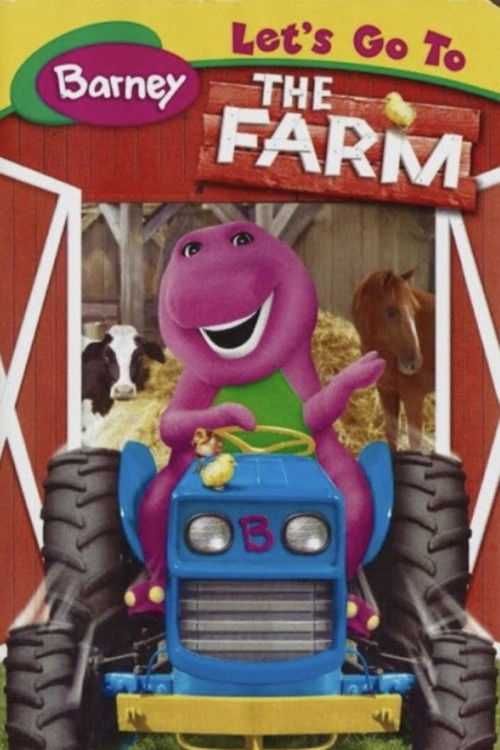
Barney: Let's Go to the Farm is a traditional production aimed at preschool audiences. It prioritizes social stability, simple educational content, and the reinforcement of existing social norms through a universal approach to interaction. The film relies on a conventional framework that avoids complex identity issues. Instead, it focuses on experiential learning within a stable, cooperative agrarian setting, emphasizing prosocial behavior and environmental stewardship. Due to adherence to strict preschool standards, the film lacks layered social complexities. Its narrative structure supports communal participation without exploring diverse social identities.
Category Breakdown
The film features a limited social circle of well-established characters. There is no indication of non-conforming gender identities or same-sex romantic undertones.
Characters such as Baby Bop and Farmer Dooley’s wife contribute to a balanced gender distribution. However, the film upholds traditional gender roles without challenging them.
The cast includes human children and adults, but specific racial identities are not specified. The production follows a homogeneous casting style typical of early-2000s preschool media.
The story highlights traditional Western agrarian life and community stability. It emphasizes respect for work and organized social events like the barn dance.
The narrative centers on physical farm tasks and able-bodied participation. There is no depiction of neurodivergence, physical disabilities, or chronic illnesses.
Present on Screen
Limited or Absent
Official Synopsis
Through the power of imagination, Barney takes BJ, Baby Bop, Rachel and Jackson to visit a real farm! Once there, they get a chance to see how crops are grown and how real animals are taken care of. They also meet Farmer Dooley and his wife, who involve them in a varety of fun activities - including preparing for a big barn dance.
2009

2006
2005
1998

2001

2007
2008
2002
No reviews yet. Be the first to share your thoughts on this movie!
Use the rating form above to leave a star rating and optional review.