Something Useful
2017
No user ratings available yet
Representation score: 9.0 out of 10
Representation Score
Good
2024
Director
Çağrı Murat
Runtime
14 minutes
Average Rating
No ratings yetNew Showbiz Analysis
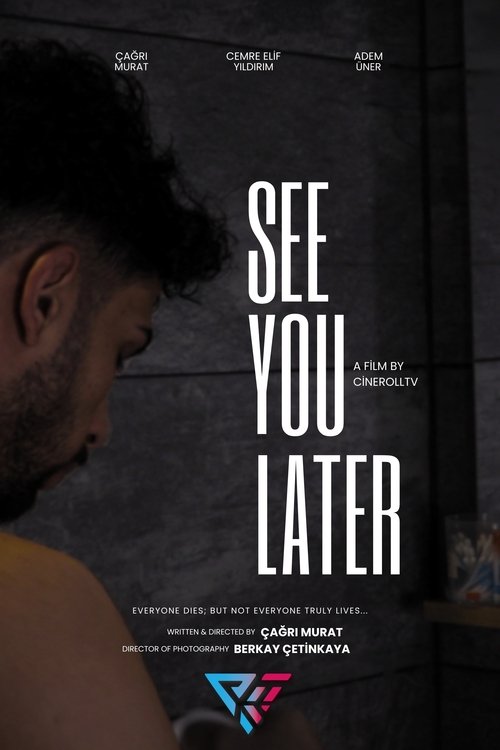
See You Later is a character-driven drama that prioritizes psychological introspection and existential inquiry over broad demographic representation. The film creates a dual-perspective narrative, balancing Ahmet's internal crisis with Umay's intellectual journey of discovery. While the film explores complex themes like mental health and the deconstruction of family heritage, it lacks explicit markers reflecting multiple aspects of identity. The focus remains on individual trauma rather than systemic or overt social representation. Ultimately, the work functions as an intimate study of loneliness and memory, leaning more toward philosophical depth than diverse social visibility.
Category Breakdown
The film does not explicitly depict non-straight relationships or same-sex intimacy. Instead, it focuses on Ahmet's internal struggles and Umay's exploration of her family history.
Umay plays a significant role in driving the plot through her investigation of her mother's past. However, the central conflict centers around Ahmet's traditional male experience of existential loneliness.
The names Ahmet and Umay suggest a Turkish cultural context. Nevertheless, the narrative emphasizes individual psychological states rather than broader ethnic or racial dynamics.
The story prioritizes secular existentialism and subjective morality over religious doctrine. It deconstructs the idealized family unit by delving into secrets within a parent's history.
Ahmet's contemplation of self-harm suggests themes of mental health and psychological distress. It remains unclear if these challenges are portrayed with sufficient ability to act or merely as plot devices.
Present on Screen
Limited or Absent
Official Synopsis
Ahmet is a young man struggling with inner conflicts and loneliness; while planning to end his life, a potted flower and his memories accompany him in his search for meaning. At the same time, Umay, reading a book that uncovers secrets about her mother's past, receives Ahmet's letter. This letter takes Umay on a profound journey of reflection and establishes an unexpected connection between two different lives.
2017

1995

2013

2006

2021
2021

2020
2024
No reviews yet. Be the first to share your thoughts on this movie!
Use the rating form above to leave a star rating and optional review.