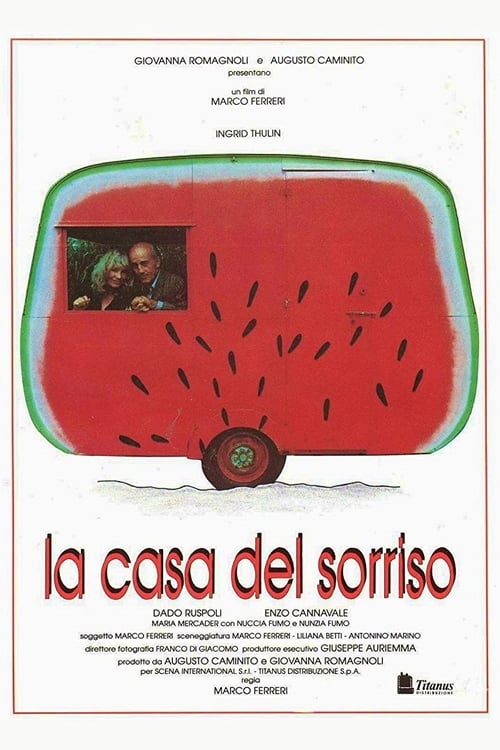
The House of Smiles
1991
No user ratings available yet
Representation score: 7.7 out of 10
Representation Score
Fair
2002
Not RatedDirector
Park Jin-pyo
Runtime
67 minutes
Average Rating
No ratings yetNew Showbiz Analysis
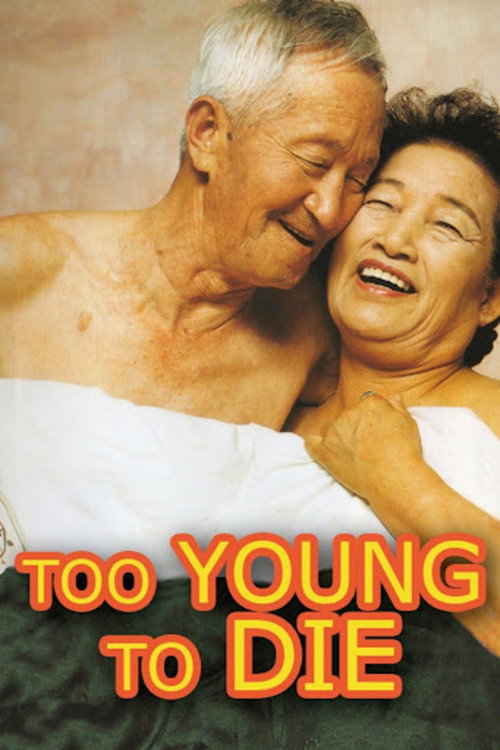
Too Young to Die presents a narrative that challenges ageist and moralistic stereotypes. By highlighting the sexual and emotional ability to act of elderly characters, the film dismantles traditional views on aging and romance. The film successfully humanizes seniors, pushing against the social norms of the South Korean cinematic landscape. While it does not include diverse ethnicities or LGBTQ+ representation, its strength lies in its defiance of conservative cultural expectations regarding aging and modesty.
Category Breakdown
The film centers on a heterosexual romance between two widowed seniors, focusing on their relationship without explicitly featuring LGBTQ+ identities. However, it challenges the idea that romantic ability to act is exclusive to younger, cisgender characters.
The film portrays elderly women as active participants in seeking intimacy and fulfilling their emotional needs, rather than passive figures in traditional roles.
Set within a culturally homogeneous South Korean context, the film offers an authentic look at local social structures without aligning with Western-centric norms.
By depicting explicit sexuality among the elderly, the film questions the rigid social structures influenced by Confucian traditions, emphasizing personal freedom over traditional decorum.
There is no information available regarding the portrayal of physical or neurodivergent disabilities in this film.
Present on Screen
Limited or Absent
Official Synopsis
This atypical romance stars two 70-plus actors playing elderly lovers who meet after they're widowed. Sparking controversy in Korea for its explicit sexuality, the film brings an unblinking eye to the portrayal of society's forgotten seniors.
1991

2012
2014

2010
1995

1994

1988

2017
No reviews yet. Be the first to share your thoughts on this movie!
Use the rating form above to leave a star rating and optional review.