Windstorm
2013
No user ratings available yet
Representation score: 2.4 out of 10
Representation Score
Fair
2015
Director
Katja von Garnier
Runtime
103 minutes
Average Rating
No ratings yetNew Showbiz Analysis
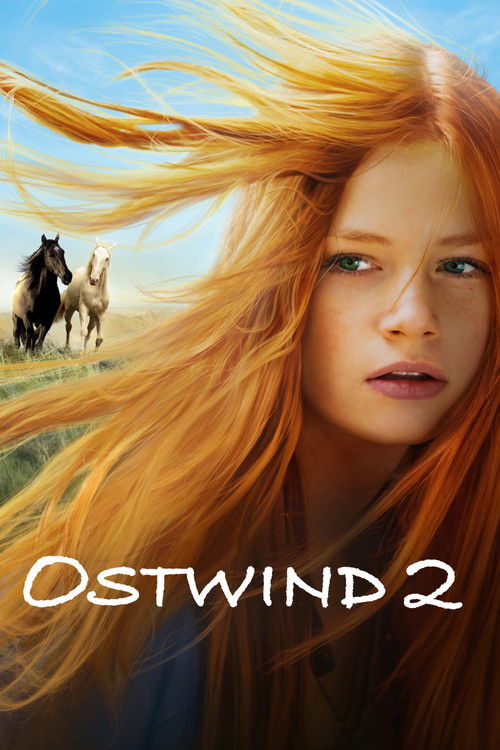
Windstorm 2 is a genre-driven family adventure that emphasizes character-driven emotional growth. While it successfully provides a female lead with ability to act and leadership, the narrative remains within the confines of conventional family drama. The film lacks complexity in its portrayal of diverse identities, focusing instead on a homogeneous social structure typical of rural European settings. It does not engage with diverse racial, ethnic, or LGBTQ+ identities, resulting in a narrow demographic scope. Ultimately, the film operates as a traditional story of personal growth and financial stakes. It offers a meaningful central character but misses opportunities for broader cultural or systemic critique.
Category Breakdown
The film does not include any visible LGBTQ+ characters or stories about non-assuming gender matches what was assigned at birth identities. The plot focuses solely on the relationship between a girl and her horse.
Mika is portrayed as a strong female protagonist who actively drives the story forward. She takes decisive action to address a financial crisis, showing leadership and challenging traditional gender roles.
The setting seems to be a rural European equestrian community. There is no indication of a diverse or non-Anglo-Saxon majority cast.
The story explores themes of economic struggle and the threat of bankruptcy. However, it follows standard adventure-drama structures without questioning Western norms.
The mention of wounds on the horse serves as a plot device rather than an exploration of disability. There is no representation of human disabilities in the film.
Present on Screen
Limited or Absent
Official Synopsis
Summer vacation. Mika is overjoyed to see Windstorm again. But then she discovers strange wounds on the belly of Windstorm, for which no one has an explanation. Yet this is Kaltenbach verge of bankruptcy! With a heavy heart Mika decides to participate in a variety tournament in which beckons a high prize money. But during training affects Windstorm distracted, often he runs away easily. Mika pursued the black stallion until deep into the forest and is quite surprised: From the thicket a seemingly magical gray mare appears and the two horses dance around lovingly. Suddenly, a strange boy named Milan appears, who says the mare had escaped him. He claimed that he could Help Mika to win the tournament. But is there still time to save Kaltenbach?
2013
2020
2017
1979
2019

1945
2021
1994
No reviews yet. Be the first to share your thoughts on this movie!
Use the rating form above to leave a star rating and optional review.