
Versus
2000
No user ratings available yet
Representation score: 4.2 out of 10
Representation Score
Limited
2003
RDirector
Ryuhei Kitamura
Runtime
122 minutes
Average Rating
No ratings yetNew Showbiz Analysis
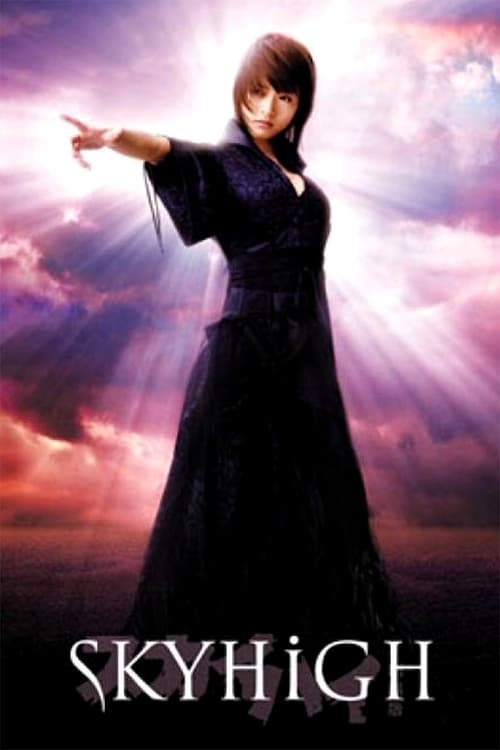
Sky High is a stylized Japanese action-fantasy that emphasizes dynamic visuals and supernatural conflict over social issues. The narrative centers on a high-stakes battle between afterlife guardians and cosmic power-seeking antagonists. The film sticks to traditional genre conventions, using binary morality and standard character types. It focuses on supernatural threats within a culturally homogeneous setting. Since the film prioritizes genre aesthetics and a localized setting, it does not aim to challenge social hierarchies or offer nuanced representations of diverse identities.
Category Breakdown
The film does not include any visible LGBTQ+ characters or stories about non-assuming gender matches what was assigned at birth identities. The main emotional focus is on the heterosexual relationship between Detective Kanzaki and his fiancé, Mina.
Female characters such as Mina and Rei play key roles in the plot. However, they mainly fit into traditional gender roles as victims and villains, which are common in early 2000s action films.
Set in near-future Japan, the cast is mostly made up of people from similar backgrounds. The film does not use diverse casting to show a multicultural society.
The story uses spiritualism and folklore about the afterlife and demons as typical fantasy elements. It follows a straightforward hero-versus-villain storyline without delving into complex moral questions.
The film does not feature any characters with physical or neurodivergent disabilities. Superhuman abilities are presented as fantastical combat tools rather than realistic experiences.
Present on Screen
Limited or Absent
Official Synopsis
A serial-murderer is on the loose who just so happens to also be removing the hearts of his victims and taking them with him. His victims however, are not merely random humans as thought by the police. They are in fact, the past and present guardians of the gateway of the afterlife.On the day he is to be married, Detective Kanzaki, who happens to be on the case, discovers that his fiancé Mina has been murdered with her heart also missing. He also learns that the killers are Kudo, a geneticist, and his evil secretary Rei. The two are trying to obtain six hearts from the guardians so that they may call forth a horde of demons from the Gate of Rage and have their every desire granted. Only problem is, once they open the gate the entire world will be covered in darkness.
2000
1988

1991

1997
1991

1997

2011

2008
No reviews yet. Be the first to share your thoughts on this movie!
Use the rating form above to leave a star rating and optional review.