
Made in Auschwitz: The Untold Story of Block 10
2019
No user ratings available yet
Representation score: 7.3 out of 10
Representation Score
Good
1997
Director
John Michalczyk
Runtime
54 minutes
Average Rating
No ratings yetNew Showbiz Analysis
This documentary excels in its unflinching examination of how institutionalized racism and eugenics targeted the most vulnerable members of society. By focusing on the victimization of disabled, Jewish, and Romani populations, it provides a vital historical critique of systemic dehumanization. However, the film's scope is narrow regarding contemporary social identities. It serves as a historical autopsy of a specific era rather than a study of diverse social representation, resulting in limited focus on gender and LGBTQ+ issues. Ultimately, the work is a powerful tool for understanding the mechanics of state-sanctioned violence and the catastrophic failure of medical ethics.
Category Breakdown
While the historical context includes the persecution of LGBTQ+ individuals, the film does not center these identities or narratives. Instead, it focuses on the broader themes of eugenics and racial hygiene.
The film emphasizes the male-dominated medical establishment of the Third Reich. It highlights how patriarchal authority and traditional hierarchies were used to carry out systemic atrocities.
The documentary provides a deep analysis of racialized ideology. It showcases the consequences of racial hierarchies by documenting the dehumanization of Jewish, Romani, and other non-Aryan populations.
The work critiques the corruption of Western scientific and state institutions. It examines how professionals used moral relativism to justify mass murder and dismantle institutional infallibility.
The film offers a harrowing look at the T4 program's treatment of disabled individuals. It challenges historical erasure by documenting the systematic targeting of those deemed unworthy of life.
Present on Screen
Limited or Absent
Official Synopsis
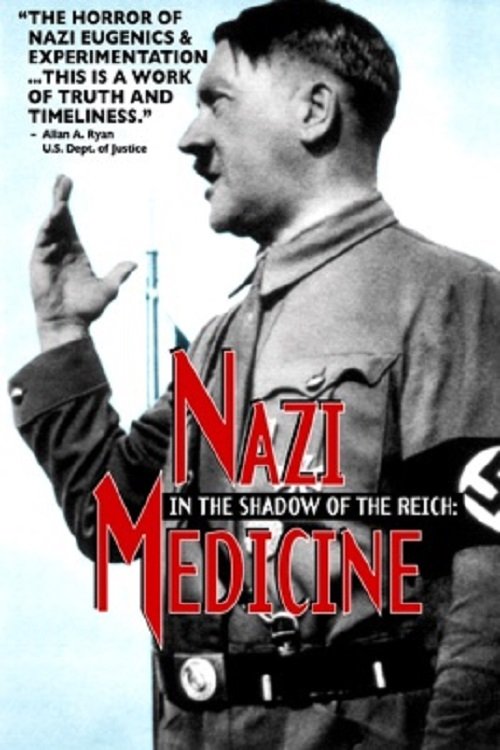
Examines the step-by-step process that led German medical professionals down an unethical road to genocide.
2019
1998

2006

1985
2022
2012

2019

2023
No reviews yet. Be the first to share your thoughts on this movie!
Use the rating form above to leave a star rating and optional review.