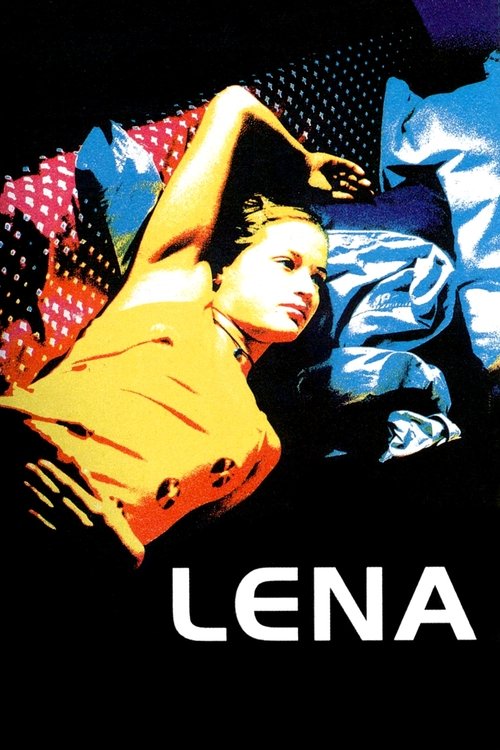
Lena
2001
No user ratings available yet
Diversity score: 6.1 out of 10
1959
Director
Olle Hellbom
Runtime
88 minutes
Average Rating
No ratings yetSynopsis
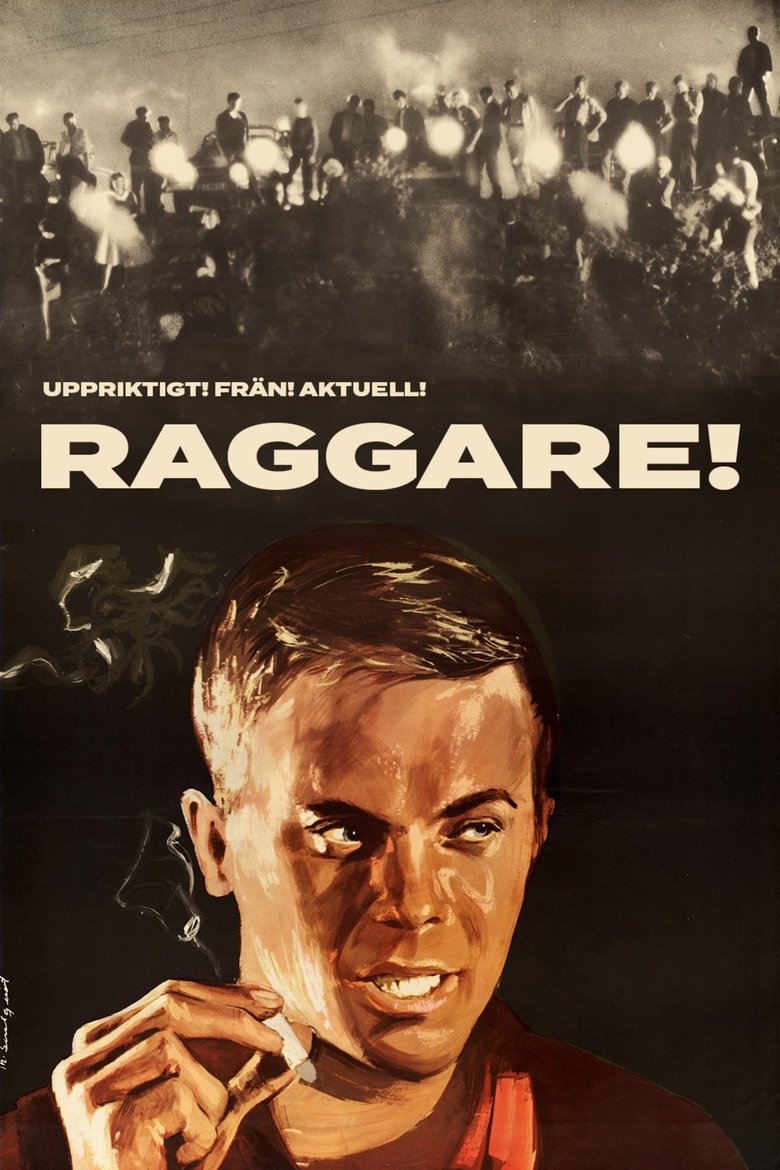
Young Greasers, known as Raggare in Sweden, gather at a café outside Stockholm. Roffe is the toughest greaser and kidnaps his girlfriend Bibban, when he discovers that she is out riding with other guys. Bibban falls in love with the sensitive Lasse.
Overall Score
Limited
Category Breakdown
LGBTQ+ Representation
The film focuses on heteronormative romantic tensions between Roffe, Bibban, and Lasse. No queer identities or non-cisnormative narratives are present.
Gender Representation
Bibban serves as a central figure of desire, yet her agency is largely defined by male actions. The story follows mid-century tropes of romantic pursuit.
Racial & Ethnic Diversity
The narrative reflects a homogeneous demographic typical of 1959 Sweden. There is no evidence of racial blending or non-Anglo-Saxon identities.
Religious & Cultural Diversity
The film captures the Raggare subculture, which challenged traditional Swedish social decorum. It highlights the friction between youth rebellion and established social order.
Disability Representation
The story contains no mention of characters navigating physical, sensory, or neurodivergent experiences.
Strengths
Areas for Improvement
AI Analysis
Blackjackets functions as a period-specific social drama centered on the Swedish Raggare subculture. It effectively captures the era's tension between traditional authority and emerging youth counter-cultures through its focus on adolescent rebellion. However, the film lacks intersectional complexity. The narrative is driven by conventional romantic conflicts and traditional gendered tropes rather than a deconstruction of systemic hierarchies or diverse identities. Ultimately, the film remains a localized study of social friction that adheres to the demographic and social norms of its 1959 production context.
No reviews yet. Be the first to share your thoughts on this movie!
Use the rating form above to leave a star rating and optional review.