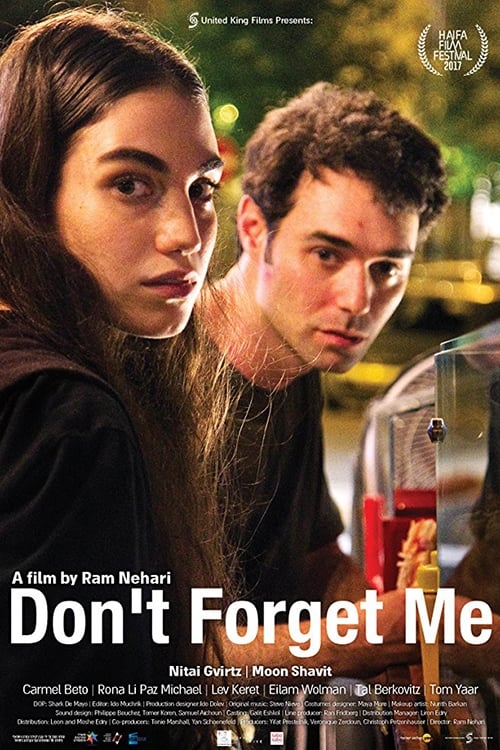
Don’t Forget Me
2017
No user ratings available yet
Representation score: 8.1 out of 10

Representation Score
Good
2017
Director
Marina Tsukada
Runtime
125 minutes
Average Rating
No ratings yetNew Showbiz Analysis
Marina Tsukada’s drama explores the erosion of traditional family stability through Satoko’s internal struggles. The film shifts away from conventional depictions of harmonious family life, focusing instead on the psychological pressures faced by individuals. By making mental health a central theme, the film provides a nuanced exploration of how anxiety and eating disorders affect social dynamics. However, the film remains culturally specific, with limited representation of diverse racial backgrounds. While the relationship between Satoko and Maki hints at unconventional bonds, the film does not explicitly confirm any romantic identities.
Category Breakdown
The relationship between Satoko and Maki remains undefined. An encounter with an older woman hints at possible non-traditional emotional bonds, but no explicit romantic identities are confirmed.
The film focuses on the inner lives of young women and highlights the fragility of traditional social roles. It avoids clichéd portrayals of perfect domestic harmony.
This Japanese production stays within a specific cultural context. It does not feature multicultural casting or diverse racial backgrounds.
The story emphasizes personal experiences over collective traditions. Mental health struggles are shown to disrupt traditional family structures.
Satoko's journey with anxiety and an eating disorder is central to the plot. She takes control as she navigates her mental health issues.
Present on Screen
Limited or Absent
Official Synopsis
Satoko is a high school student. She has a caring family and close friends. Her life seems comfortable, but she has an eating disorder. Satoko's anxiety gets worse as well. Because of this, Satoko's relationship with her family and friends becomes strained. One day, Satoko meets a woman, Maki, on the street and gets close to her.
2017

2014

2018
2005

2018

2016
2022
2017
No reviews yet. Be the first to share your thoughts on this movie!
Use the rating form above to leave a star rating and optional review.