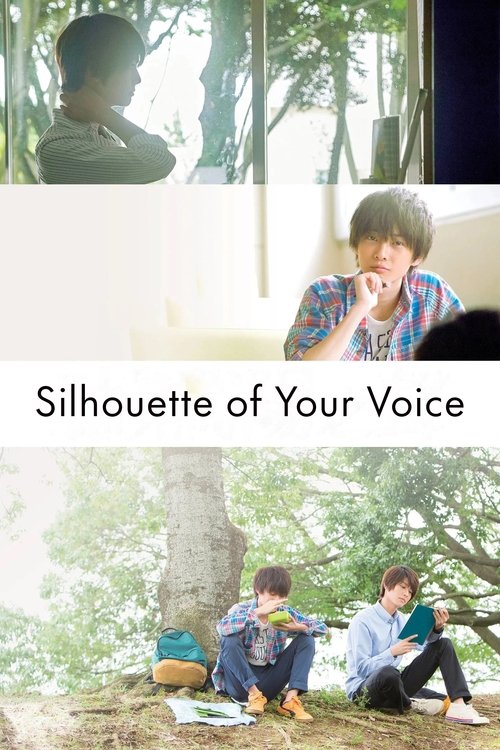
Silhouette of Your Voice
2017
No user ratings available yet
Representation score: 7.6 out of 10

Representation Score
Limited
2007
Director
Tatsuya Ogishima
Runtime
107 minutes
Average Rating
No ratings yetNew Showbiz Analysis
The film operates as a conventional romantic drama centered on individual emotional resonance. While the premise of an auditory connection disrupts standard social interactions, the narrative remains within traditional storytelling bounds. It lacks multi-layered complexity and systemic critique, focusing instead on the nuances of social isolation without broader socio-political themes.
Category Breakdown
The film does not include any non-straight relationships or queer narratives. The central relationship follows traditional romantic drama structures.
Ryou is positioned as the central emotional driver, playing a significant role in the story. However, the film does not challenge traditional gender roles or deconstruct masculine stereotypes.
As a localized Japanese production, the film reflects a specific cultural context. The narrative focuses on a homogeneous social environment without explicit multi-ethnic casting.
The story explores social alienation and the breakdown of standard connections. It does not engage with broader institutional or anti-Western critiques.
The protagonist's isolation may suggest neurodivergence or psychological distress. However, it is unclear if these elements are handled with real power or used as mere plot devices.
Present on Screen
Limited or Absent
Official Synopsis
Ryou is a girl isolated by everyone else in her class, she doesn't even have a cell phone because no one would call her anyway. One day, she suddenly starts hearing voices of Shinya, who lives in a different prefecture.
2017
2010

2004

2007

2017

2017

2009

2005
No reviews yet. Be the first to share your thoughts on this movie!
Use the rating form above to leave a star rating and optional review.