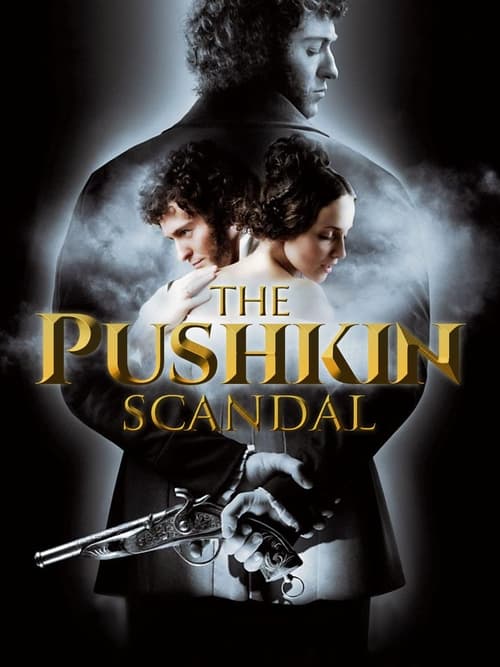
Pushkin: The Last Duel
2006
No user ratings available yet
Diversity score: 4.0 out of 10
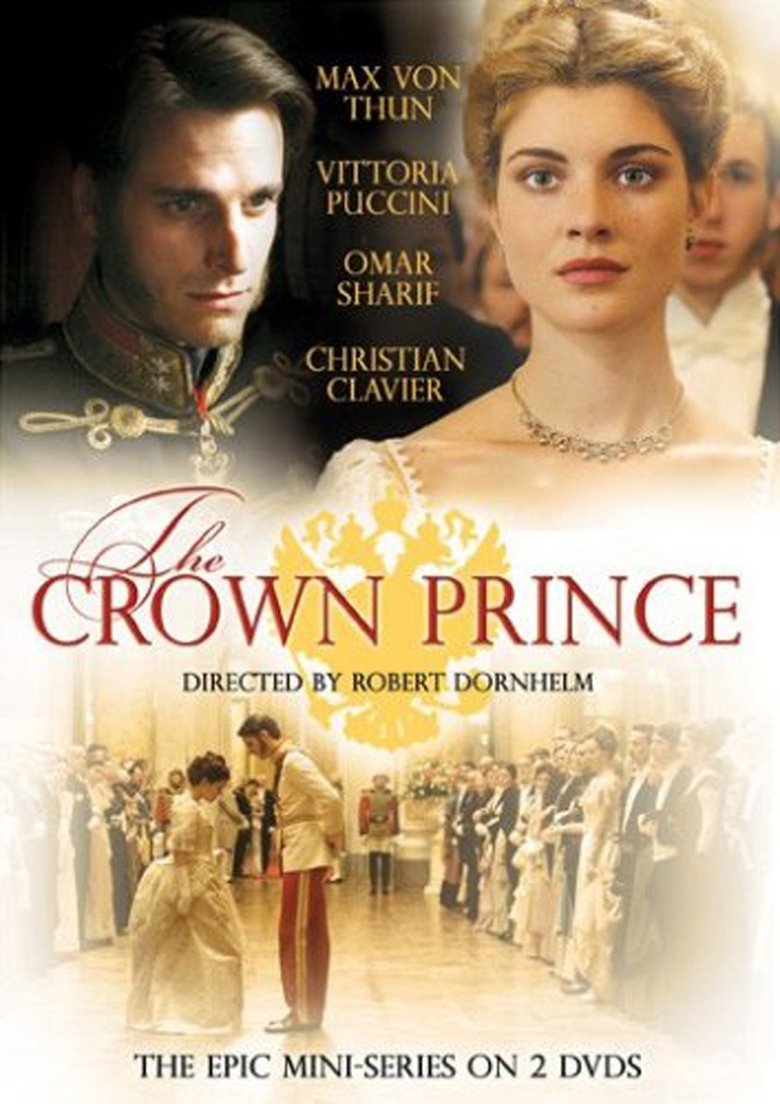
2006
Runtime
180 minutes
Average Rating
No ratings yetSynopsis
A great Empire, once famous for its enlightened traditions, is taken over by a ruthless political establishment. Religious fundamentalists and national separatists are tearing at the fabric of its liberal society. Under the influence of his conservative advisors, the Emperor fails to initiate the reforms that could save the Empire from annihilation. One man alone can avert the cataclysm to come. The year is 1888 and the 600-year-old Empire of Austria-Hungary is at a cross-road of history. Crown-Prince Rudolf, son of fabled Empress Sisi, the most beautiful woman of her time, is the man with the vision and the ability to lead his Empire into the 20th century. Yet his enemies, the all-powerful Prime Minister first and foremost, scheme to isolate Rudolf from his father and from access to power. Against the backdrop of one of the most dangerous, exciting and colorful periods in history, at the dawn of the modern age...
Overall Score
Fair
Category Breakdown
LGBTQ+ Representation
The film explores the personal isolation of Crown Prince Rudolf within a restrictive social framework. It touches on the friction between private identity and public duty, though historical social mores limit full expression.
Gender Representation
The narrative examines patriarchal power dynamics through the struggle to reform a male-dominated empire. Empress Sisi offers a counterpoint to the political sphere, though agency remains centered on the male heir.
Racial & Ethnic Diversity
The cast reflects the Eurocentric hegemony of the late 19th century. While the empire was multi-ethnic, the focus remains on the Germanic ruling classes, offering little agency to diverse ethnic groups.
Religious & Cultural Diversity
The film critiques traditional Western institutions, portraying monarchy and religious fundamentalism as regressive forces. It promotes a secular, reformist worldview by framing these institutions as obstacles to progress.
Disability Representation
There are no prominent depictions of physical or neurodivergent disabilities that drive the narrative or serve as central character arcs.
Strengths
Areas for Improvement
AI Analysis
The film serves as a historical deconstruction of the Austro-Hungarian Empire, focusing on the tension between progressive reform and conservative inertia. It subverts traditional royal biopics by portraying the monarchy as a source of systemic stagnation rather than stability. While the intellectual framework is progressive and critiques oppressive traditionalism, the film is limited by its Eurocentric historical setting. The narrative prioritizes the political struggle of the male protagonist over a broad representation of the empire's diverse ethnic makeup. Ultimately, the work functions as a critique of institutional corruption, using the tragic figure of Rudolf to highlight the clash between modern liberal ideals and religious or nationalist rigidity.
2006
2005
1986
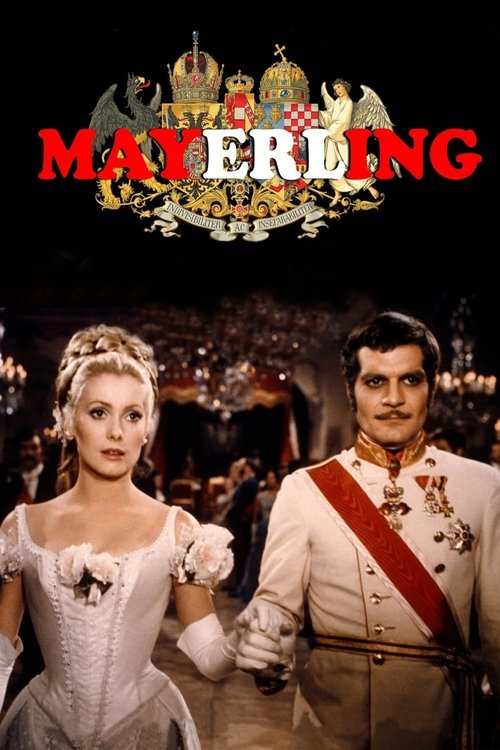
1968
1959
No reviews yet. Be the first to share your thoughts on this movie!
Use the rating form above to leave a star rating and optional review.