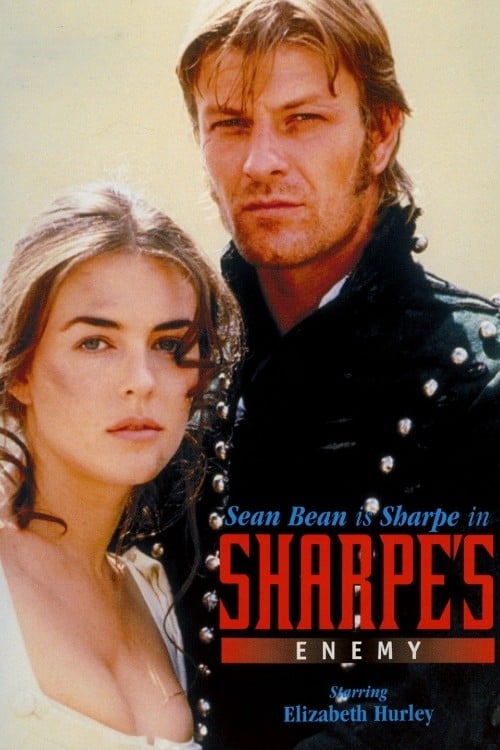
Sharpe's Enemy
1994
No user ratings available yet
Representation score: 0.8 out of 10
Representation Score
Fair
1995
TV-14Director
Tom Clegg
Runtime
102 minutes
Average Rating
No ratings yetNew Showbiz Analysis
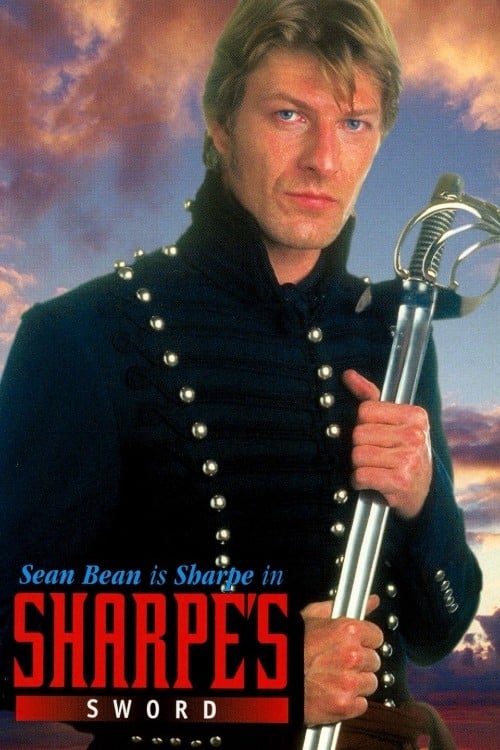
Sharpe's Sword adheres to traditional historical adventure archetypes, emphasizing masculine leadership and restorative romantic dynamics. The narrative structure centers on a singular hero's journey of retribution and duty. While the setting allows for ethnic variety, the storytelling remains focused on a standard Anglo-European conflict. Female and disabled characters are present but primarily serve as supporting elements to the male protagonist's arc. Ultimately, the film reinforces conventional social hierarchies and Western military values without offering critical perspectives.
Category Breakdown
The story relies on traditional heterosexual romantic clichés, focusing on a relationship between the male lead and a young woman. There are no visible representations of non-binary or LGBTQ+ identities.
Richard Sharpe drives the plot through combat and his actions as a male leader. The female character serves primarily as a caregiver and support for the protagonist.
Set during the Napoleonic Wars, the film includes various European ethnicities. However, the narrative focuses on a binary conflict that emphasizes Anglo-European perspectives.
The film celebrates traditional Western military values like duty and honor. It follows a classic hero's journey centered on individual combat and restoring order.
A mute young woman is central to the protagonist's recovery. Her disability functions largely as a plot device to facilitate the hero's journey through a nurturing role.
Present on Screen
Limited or Absent
Official Synopsis
Franco-Spanish Border, 1813. Sean Bean returns as the courageous Major Richard Sharpe, his latest mission to protect the identity of the master spy, El Mirador. Sharpe captures Colonel Leroux who has been sent by Napoleon to assassinate El Mirador but Leroux escapes. In an ensuing battle, Sharpe's sword is destroyed and he is left for dead. He is lovingly nursed back to health by a beautiful young girl who has been rendered mute after witnessing the slaughter of her companions. Armed with a new sword forged by the faithful Sergeant Harper, Sharpe continues his mission to protect the life of El Mirador and seek retribution.
1994
1995
1996
1996
1994
1995

1997
1994
No reviews yet. Be the first to share your thoughts on this movie!
Use the rating form above to leave a star rating and optional review.