Happy as one
2006
No user ratings available yet
Diversity score: 4.7 out of 10
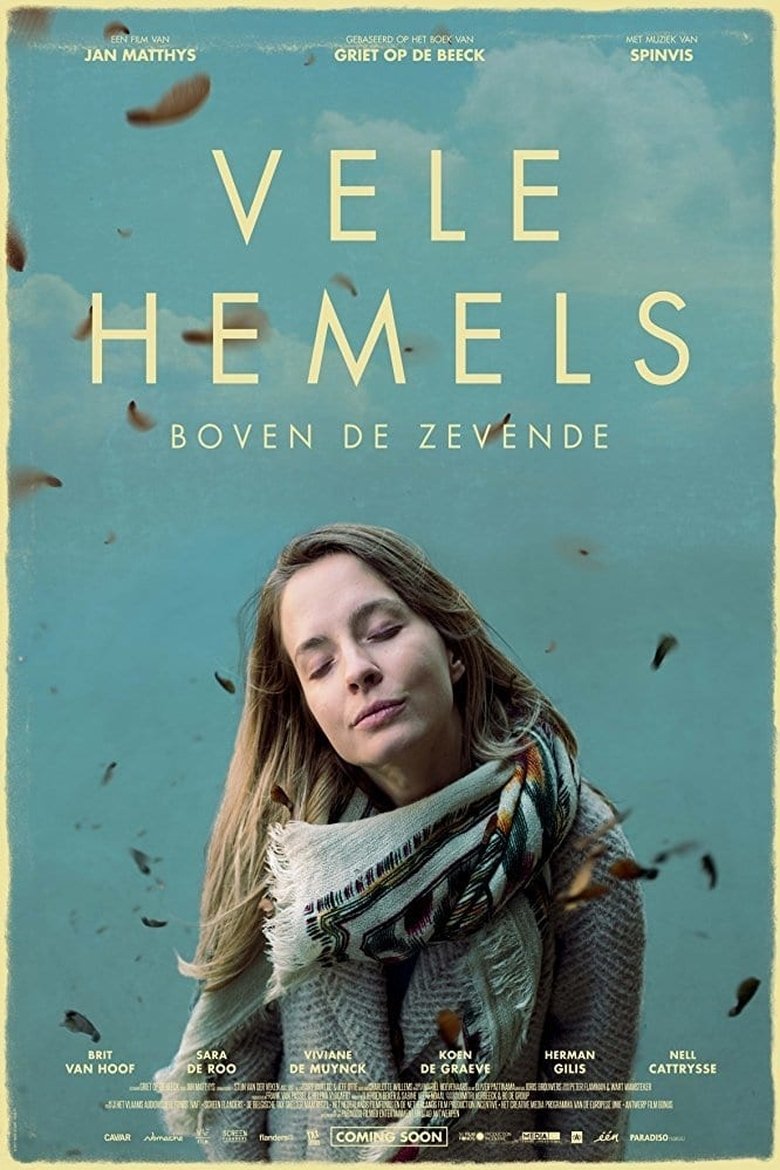
2017
Director
Jan Matthys
Runtime
119 minutes
Average Rating
No ratings yetSynopsis
Five people fight themselves more than each other, in this existence that's so beautiful and incredibly hard at the same time.
Overall Score
Fair
Category Breakdown
LGBTQ+ Representation
The film lacks explicit evidence of non-heteronormative identities or narratives. It appears to prioritize universal existential themes over specific identity-based explorations.
Gender Representation
The narrative centers on five individuals navigating personal struggles. It is unclear if the film subverts traditional gender roles or focuses on individualistic psychological realism.
Racial & Ethnic Diversity
As a Dutch-language drama, the film likely reflects its localized demographic setting. There is no evidence of diverse casting or non-human metaphors for racial diversity.
Religious & Cultural Diversity
The premise suggests a focus on existentialism and subjective morality. This approach may favor a nuanced, secular view of human suffering over rigid moral frameworks.
Disability Representation
There is no documented evidence regarding the portrayal of neurodivergence, physical disabilities, or mental health conditions as central narrative drivers.
Strengths
Areas for Improvement
AI Analysis
Jan Matthys delivers a character-driven drama that prioritizes psychological depth and existential struggle. The film focuses on the internal conflicts of five individuals rather than systemic social hierarchies or identity politics. While the work avoids traditional genre tropes, it lacks intentional demographic subversion. The narrative architecture leans toward individualistic realism, which limits its engagement with intersectional agency or diverse social representation. Ultimately, the film functions as a localized, character-centric study of the human condition. It offers a nuanced look at suffering but does not actively challenge traditional social or demographic structures.
2006

2012

2017
2000

2007
2022

2007

2007
2013
2013
2007
2011
No reviews yet. Be the first to share your thoughts on this movie!
Use the rating form above to leave a star rating and optional review.