Countdown
2019
No user ratings available yet
Representation score: 4.7 out of 10
Representation Score
Good
2023
TV-MADirector
Alexis Jacknow
Runtime
92 minutes
Average Rating
No ratings yetNew Showbiz Analysis
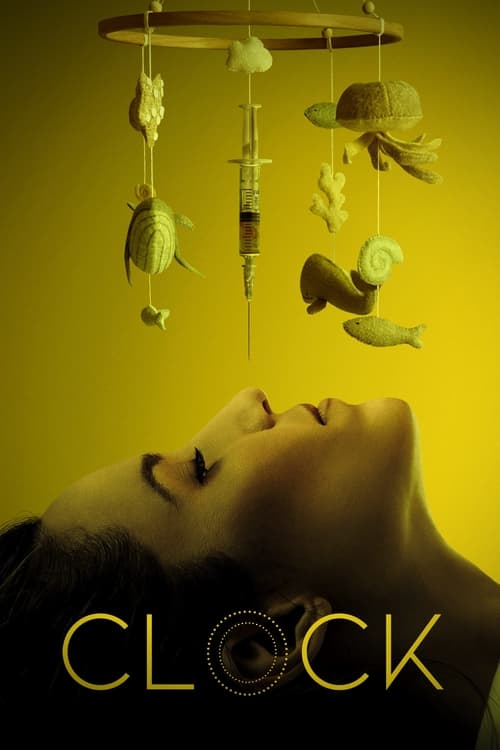
Clock (2023) uses the horror genre to critique societal pressures surrounding female reproduction, positioning the biological clock as a predatory mechanism. This approach effectively deconstructs traditional narratives that frame motherhood as an innate female imperative, offering a sharp critique of biological determinism. The film’s primary strength lies in its robust subversion of gender roles, where the protagonist actively resists the maternal archetype through intellectual and bodily autonomy.
Category Breakdown
The film focuses on traditional heterosexual relationships and does not include any LGBTQ+ characters or themes, limiting its representation of diverse sexual orientations and gender identities.
Ella challenges traditional gender roles by prioritizing her intellect and personal freedom over societal expectations of femininity. Her resistance to patriarchal control over reproductive decisions highlights the importance of female autonomy. Dianna Agron’s performance emphasizes the legitimacy of choosing not to become a mother as an act of self-determination.
The film features actors from diverse backgrounds, including Nikita Patel, suggesting a range of ethnicities. However, racial identity is not a central theme, and the narrative does not delve deeply into systemic racism or the multi-layered experiences of characters of color.
The film critiques Western institutions by portraying the nuclear family’s reproductive expectations as oppressive and commodified. It questions the role of medical authority in shaping reproductive choices, presenting parenthood as a source of existential dread rather than idealization. The tone remains secular and psychological, avoiding religious moralizing while deconstructing traditional family structures.
The 'broken' biological clock serves as a metaphorical condition rather than a direct representation of disability. The film lacks characters with visible or invisible disabilities who have meaningful roles, and the body horror elements might inadvertently reinforce ableist fears without explicitly addressing or validating disabled identities.
Present on Screen
Limited or Absent
Official Synopsis
On the eve of her 38th birthday, a woman desperately attempts to fix her broken biological clock.
2019
1988

2024

2007
2019

2019

2022
2021
No reviews yet. Be the first to share your thoughts on this movie!
Use the rating form above to leave a star rating and optional review.