Captain Fantastic
2016
No user ratings available yet
Representation score: 7.3 out of 10
Representation Score
Excellent
2016
PG-13Director
Taika Waititi
Runtime
101 minutes
Average Rating
No ratings yetNew Showbiz Analysis
Taika Waititi's film stands out for its cultural authenticity and its critique of institutional authority. Its strongest point is the authentic portrayal of Māori identity, giving the main character real influence. The film effectively challenges traditional masculine stereotypes by showing emotional depth in a rugged character. By framing the protagonists' journey as a quest for freedom, it emphasizes the importance of organic family bonds over formal structures. However, the film remains centered around a male-focused adventure, lacking LGBTQ+ representation and relegating female characters to supporting roles.
Category Breakdown
The movie follows a typical adventure storyline focused on straight relationships. It doesn't show any clear examples of LGBTQ+ identities or queer relationships in the main storylines.
The story focuses on a friendship between two male characters, Ricky and Hec. It challenges traditional masculine stereotypes by showing Hec's emotional side, even though female characters mostly represent official authority figures.
The film highlights Māori identity through its main character. It avoids reducing Māori characters to stereotypes by exploring their complex relationships with non-Māori characters with deep emotional layers.
The story criticizes Western systems like foster care. It promotes the idea of a 'found family' over traditional families, emphasizing natural connections over formal ones.
The movie doesn’t show any clear examples of physical or sensory disabilities. However, Ricky’s behavior suggests he might have neurodivergent traits, but these are used more as character details rather than central themes.
Present on Screen
Limited or Absent
Official Synopsis
Ricky is a defiant young city kid who finds himself on the run with his cantankerous foster uncle in the wild New Zealand bush. A national manhunt ensues, and the two are forced to put aside their differences and work together to survive.
2016
2015
2019
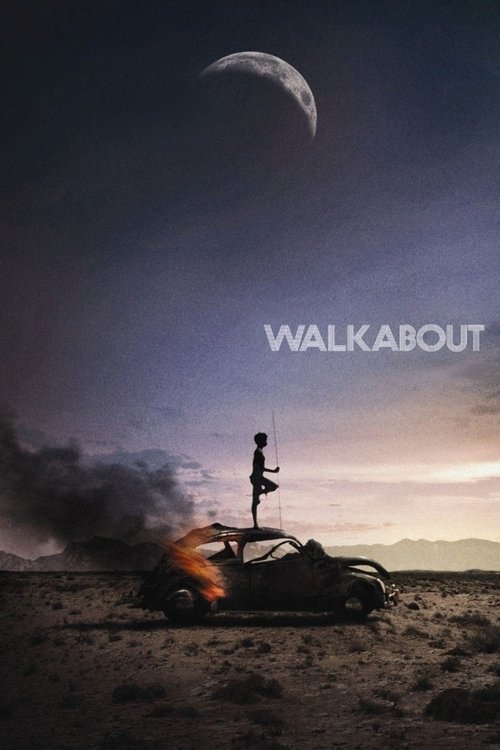
1971
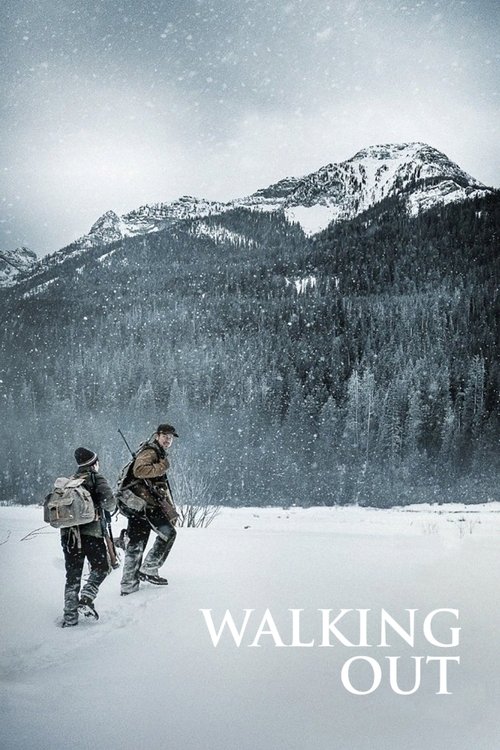
2017
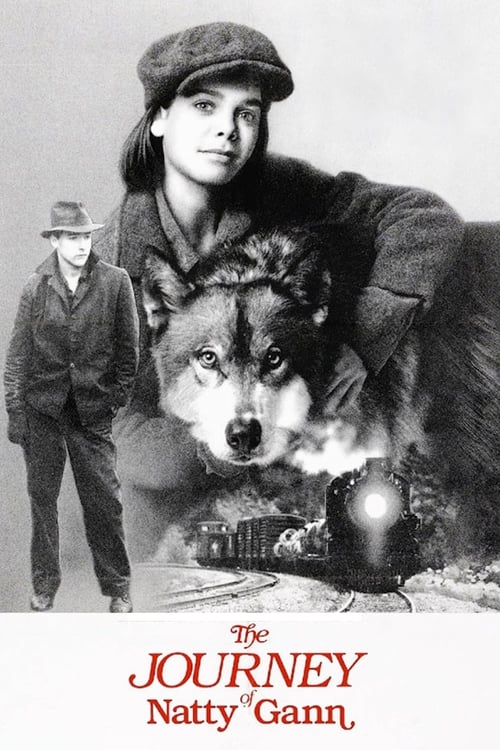
1985
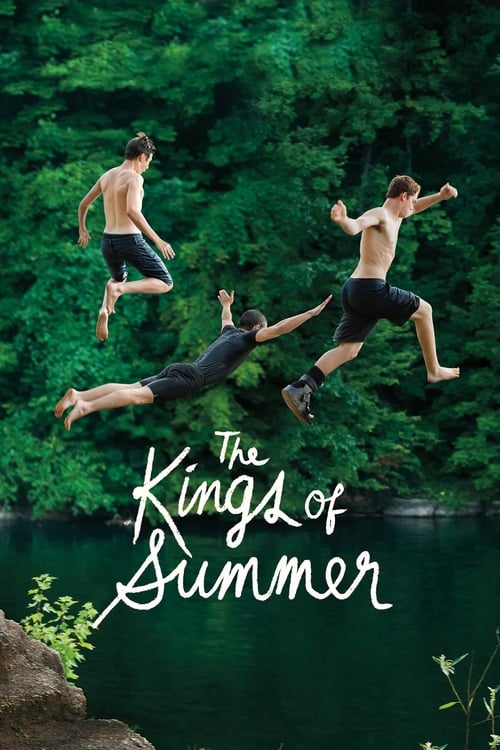
2013

1995
No reviews yet. Be the first to share your thoughts on this movie!
Use the rating form above to leave a star rating and optional review.