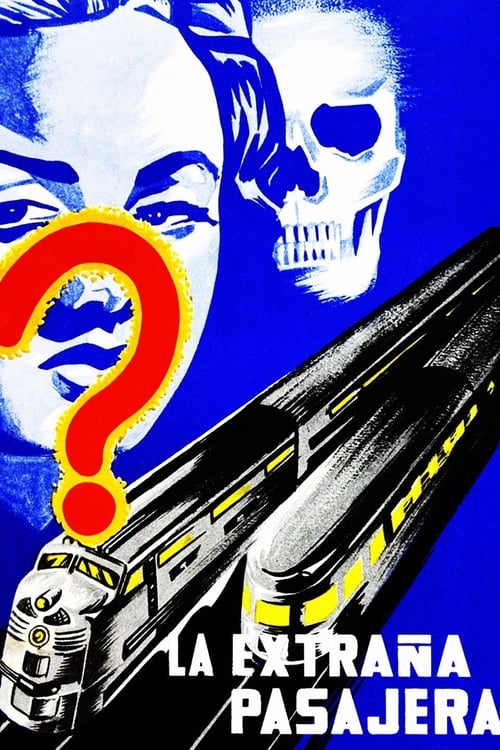
La extraña pasajera
1953
No user ratings available yet
Representation score: 3.2 out of 10
Representation Score
Minimal
1958
NRDirector
Michael Anderson
Runtime
87 minutes
Average Rating
No ratings yetNew Showbiz Analysis
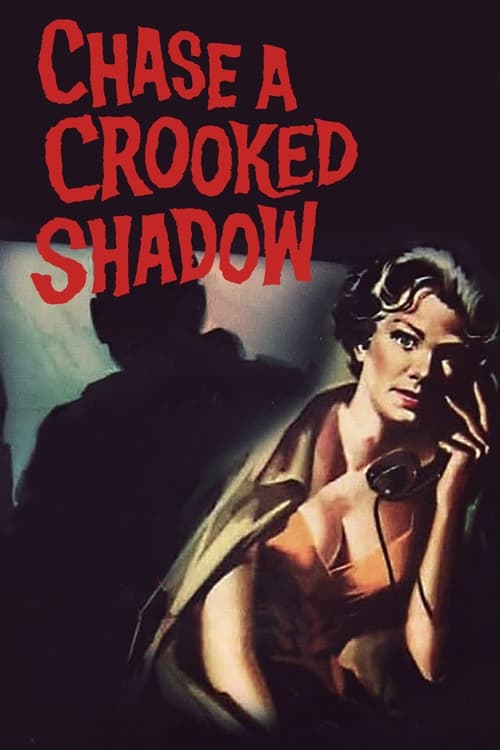
Chase a Crooked Shadow is a classic example of 1950s British noir, emphasizing psychological tension and genre clichés over social representation. Its structure is deeply tied to the era’s traditional views on identity and social hierarchy. While the female lead offers more ability to act than typical supporting roles, the narrative still leans on established gender stereotypes. The absence of diverse casting and lack of LGBTQ+ or disability representation reflect the era’s cinematic norms. Overall, the film focuses on individual guilt and suspicion rather than serving as a platform for progressive social commentary or exploring multiple layers of diversity.
Category Breakdown
The film follows typical mid-century standards, showing no signs of non-traditional gender identities or same-sex relationships.
The female lead drives the mystery but the film relies heavily on the 'femme fatale' stereotype. It emphasizes traditional male-dominated suspense.
The cast seems mostly uniform, reflecting the social norms of 1950s British noir. There is no notable racial or ethnic diversity.
The story deals with moral ambiguity and social stigma around an ex-convict but lacks a broader critique of Western institutions or systemic issues.
No characters with visible or invisible disabilities are shown taking a leading role. The focus remains on psychological paranoia and criminal suspicion.
Present on Screen
Limited or Absent
Official Synopsis
A woman who lives in Spain has trouble convincing anybody that a complete stranger has taken her dead brother's identity.
1953
1965
1959
1946
1960
1964
1957
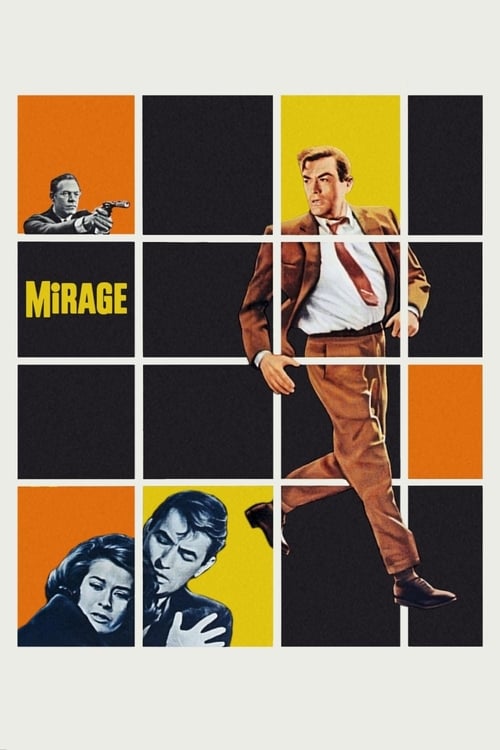
1965
No reviews yet. Be the first to share your thoughts on this movie!
Use the rating form above to leave a star rating and optional review.