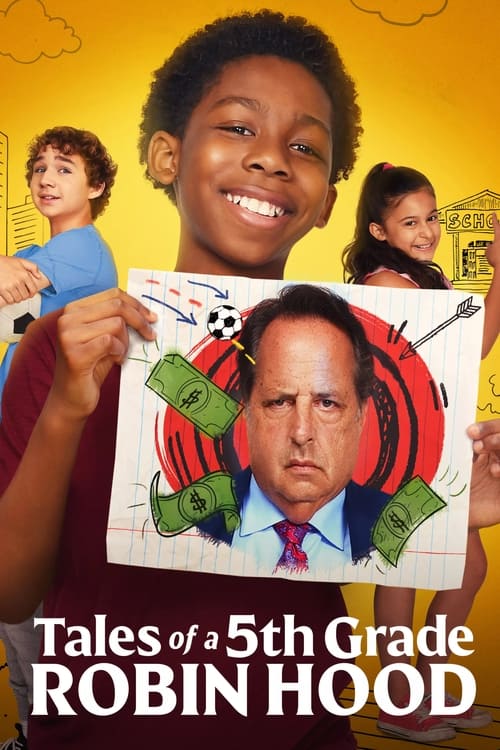
Tales of a Fifth Grade Robin Hood
2021
No user ratings available yet
Representation score: 5.9 out of 10
Representation Score
Limited
2015
Director
Doug Bilitch
Runtime
84 minutes
Average Rating
No ratings yetNew Showbiz Analysis
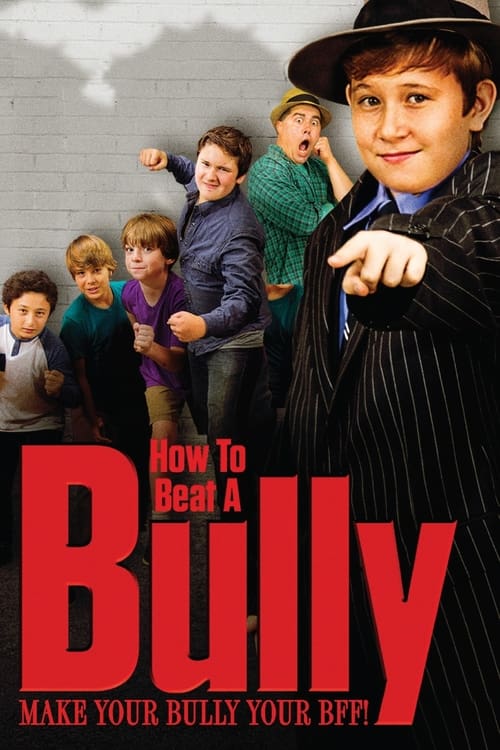
How to Beat a Bully follows a traditional storytelling structure. It relies on well-known clichés of family comedy, focusing on male-centric conflicts involving schoolyard bullying and organized crime myths. The film offers a minor progressive twist by valuing intelligence over physical strength. However, this is overshadowed by its heavy reliance on masculine archetypes and a lack of diverse representation. Overall, the production adheres to conventional demographic patterns and standard moral structures, lacking visible diversity across various identity categories.
Category Breakdown
The film does not include any explicit LGBTQ+ characters or stories about non-cisgender identities. The main focus is on a traditional father-son relationship.
The story revolves around male characters and traditional masculine roles such as bullies and mobsters. Female characters who play significant roles or have strong ability to act are not present.
There is no information about the racial or ethnic makeup of the cast. The story follows typical demographic patterns found in family comedies.
Organized crime is used as a comedic element rather than a critical commentary. The story follows a traditional moral arc centered on restoring justice and making amends.
No characters are shown with physical impairments or neurodivergence. There is no mention of visible or hidden disabilities in the story.
Present on Screen
Limited or Absent
Official Synopsis
When a new kid named Cory moves to town, he's picked on by the school bullies. To protect himself, he doesn't use his fists-he uses his brain instead! He scares the bullies off by fibbing that his father is a hit man for the mob. Word quickly spreads around and gets the attention of the REAL mobsters in town, too. Now his dad has the problem! As shenanigans between the family and the mobsters ensue, Cory must find a way to make things right.
2021

1980
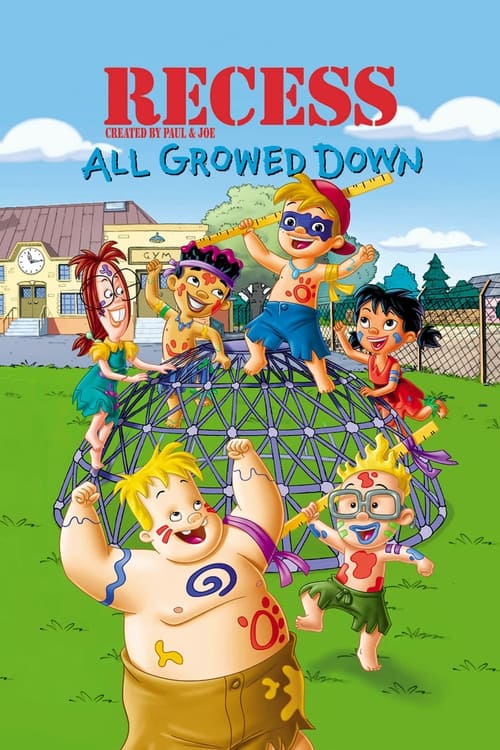
2003
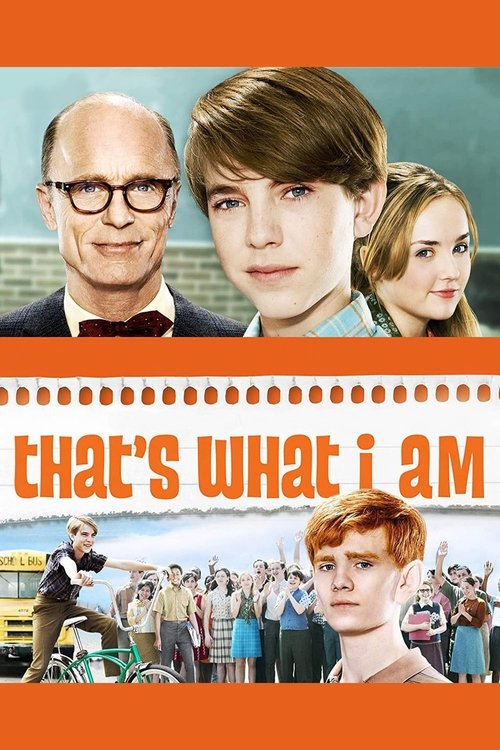
2011

2019

2007

2015

2008
No reviews yet. Be the first to share your thoughts on this movie!
Use the rating form above to leave a star rating and optional review.