Ivy + Bean: The Ghost That Had to Go
2022
No user ratings available yet
Representation score: 7.5 out of 10
Representation Score
Limited
2019
Director
Tuğçe Soysop
Runtime
103 minutes
Average Rating
No ratings yetNew Showbiz Analysis
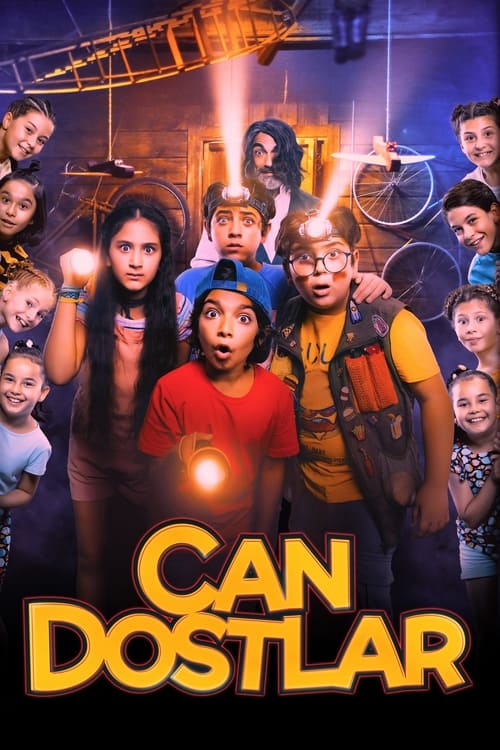
Kids on the Block is a family comedy that explores the tension between digital immersion and physical community engagement. The plot centers on a group of children attempting to reclaim a local park from a perceived obstacle, Bad Kazim. The film's strength lies in its thematic focus on social cohesion and the subversion of modern isolation. It uses a coming-of-age framework to champion communal ability to act over individualistic digital habits. However, the work lacks explicit engagement with identity politics or the way different parts of someone's identity overlap. It functions primarily as a conventional genre piece without visible markers of diverse identity representation.
Category Breakdown
The film does not include any explicit mention of LGBTQ+ characters or non-cisgender identities. There are no narratives addressing the assumption that everyone is straight or cisgender.
The focus on a collective of children suggests a potential for significant roles in driving the story among various genders. This group dynamic may challenge traditional patriarchal leadership clichés through communal action.
As a Turkish production, the film operates within a specific cultural landscape. The central conflict of reclaiming communal space serves as a metaphor for navigating social hierarchies.
The story critiques technological dependency and its impact on human connection. It prioritizes communal solidarity by positioning children against an isolated, older figure.
There is no evidence regarding the inclusion of characters with physical or neurodivergent disabilities. No such representation is identified in the narrative.
Present on Screen
Limited or Absent
Official Synopsis
Children who play constantly with their phones now seem to have forgotten to play on the street. At the insistence of new arrivals, children decide to play in the park again to end this course. But there is a problem: Bad Kazim sitting in the house next to the park. What is the secret of the evil Kazim who scares everyone who comes to the park? Will the children be able to take the park back from Kazım?
2022
2008
2021
2001
2015
1999
2023
2018
No reviews yet. Be the first to share your thoughts on this movie!
Use the rating form above to leave a star rating and optional review.