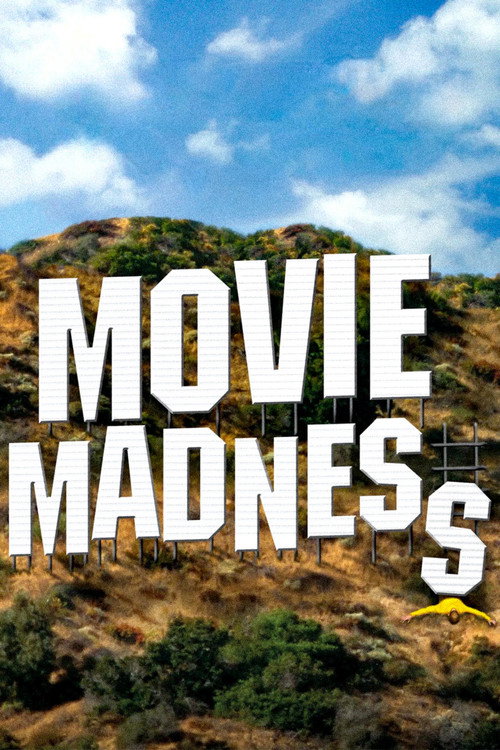
National Lampoon's Movie Madness
1982
No user ratings available yet
Representation score: 3.3 out of 10
Representation Score
Fair
1983
RDirector
Peter Winograd, Kirk Henderson
Runtime
79 minutes
Average Rating
No ratings yetNew Showbiz Analysis
The film presents a homogeneous creative community typical of its era. The cast is predominantly white, with women appearing in supporting roles alongside male leads. The story contrasts authentic independent filmmakers with cynical studio executives, framing commercial interests as obstacles to art. There is no on-screen representation of LGBTQ+ identities, disability, or racial diversity. The cultural focus is on class and industry dynamics, treating the studio system as a negative force. The film reflects the demographic and thematic norms of its era, prioritizing a homogeneous creative community over broader social representation. The overall score reflects the absence of diverse identities and the limited detail provided on the specific agency of female characters. The narrative remains centered on a narrow demographic of filmmakers and studio personnel.
Category Breakdown
No LGBTQ+ characters or same-sex romance appear in the cast or synopsis. The narrative focuses on filmmakers and studio dynamics without addressing sexual orientation or gender non-conformity.
Women appear in the cast, including Pamela Sue Martin and Joan Hackett. Their specific narrative roles relative to the male leads are not detailed, leaving their on-screen agency unclear.
The cast is predominantly white, reflecting the 1980s independent film scene. No non-white characters are named in the top billing or synopsis, centering a homogeneous creative group.
The film critiques the Hollywood studio system, framing corporate wealth as an obstacle to artistic integrity. Traditional institutions are treated as cynical antagonists, while independent creative struggle is valorized.
No characters with disabilities are identified in the cast, synopsis, or thematic context. The narrative focuses on professional and creative conflicts rather than physical or mental health experiences.
Present on Screen
Limited or Absent
Official Synopsis
A parody of Saturday afternoon matinees, including coming attractions and a cartoon.
1982
1993
1983

1997

1989
1978
1978

2013
No reviews yet. Be the first to share your thoughts on this movie!
Use the rating form above to leave a star rating and optional review.