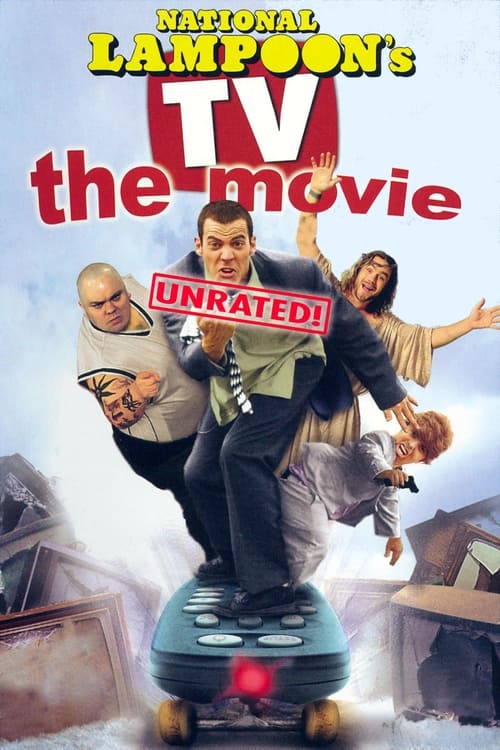
National Lampoon's TV: The Movie
2006
No user ratings available yet
Diversity score: 4.2 out of 10
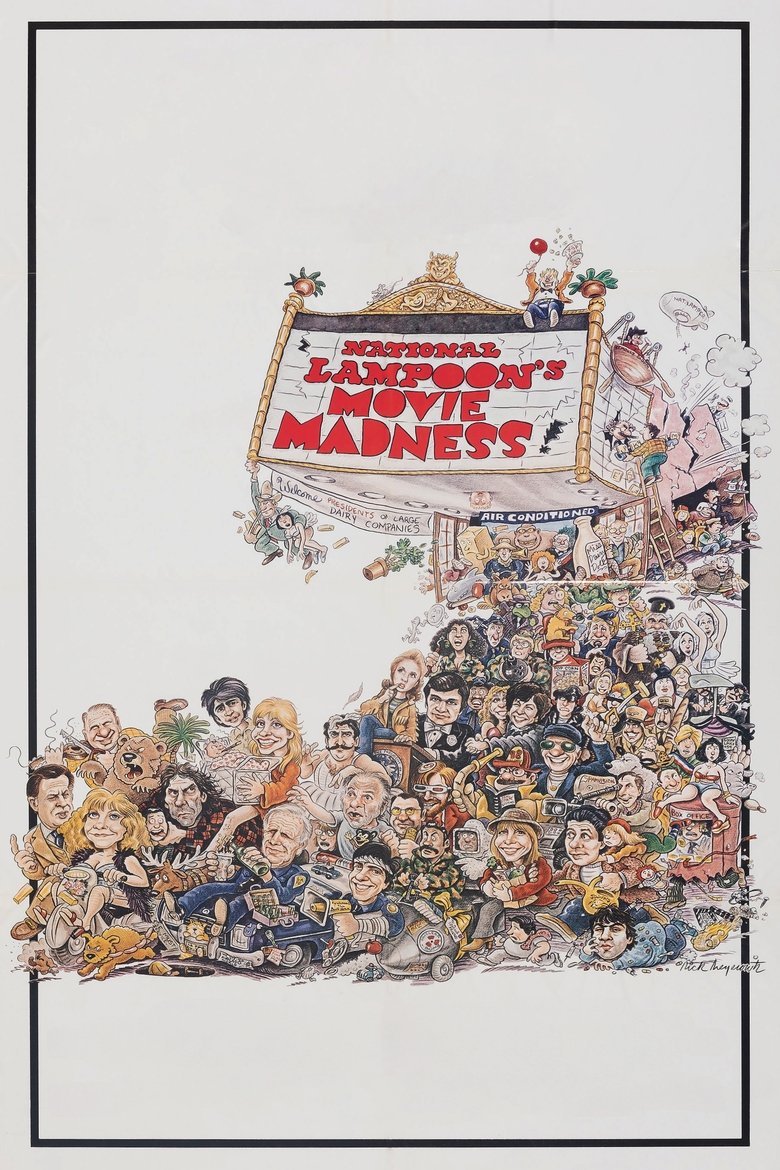
1982
RDirector
Bob Giraldi, Henry Jaglom
Runtime
89 minutes
Average Rating
No ratings yetSynopsis
A parody of film genres composed of three shorts, spoofing personal growth films, glossy soap operas, and police stories.
Overall Score
Limited
Category Breakdown
LGBTQ+ Representation
The film functions as a genre parody rather than a narrative focused on identity. There is no evidence of LGBTQ+ characters or narratives that critique heteronormativity.
Gender Representation
The film spoofs soap operas and personal growth films, suggesting a preoccupation with traditional tropes. While female cast members like Diane Lane are prominent, their roles are tied to genre parodies.
Racial & Ethnic Diversity
The casting appears to follow conventional early 1980s patterns. There is no documented evidence of a non-white majority cast or race-bent casting to disrupt historical norms.
Religious & Cultural Diversity
The work functions as a meta-commentary on cinema rather than a critique of socio-political structures. It does not demonstrate a systemic critique of religion or patriotism.
Disability Representation
There is no evidence regarding the portrayal of physical or neurodivergent characters. No specific instances of disability being used as a plot device can be verified.
Strengths
Areas for Improvement
AI Analysis
This anthology film prioritizes the subversion of cinematic tropes over the subversion of social hierarchies. It uses satire to mock specific genres like police stories and soap operas, but this humor rarely extends into meaningful identity politics. The production reflects the era's mainstream comedy standards, leaning toward homogeneous casting and traditional structures. While the National Lampoon brand suggests a willingness to disrupt norms, the film lacks intentional intersectional architecture. Ultimately, the sketches focus on the mechanics of filmmaking rather than progressive social commentary or the empowerment of marginalized groups.
2006
1976

2003
1985
2000
2013

2009

2011
1982
1959

2018
1999
No reviews yet. Be the first to share your thoughts on this movie!
Use the rating form above to leave a star rating and optional review.