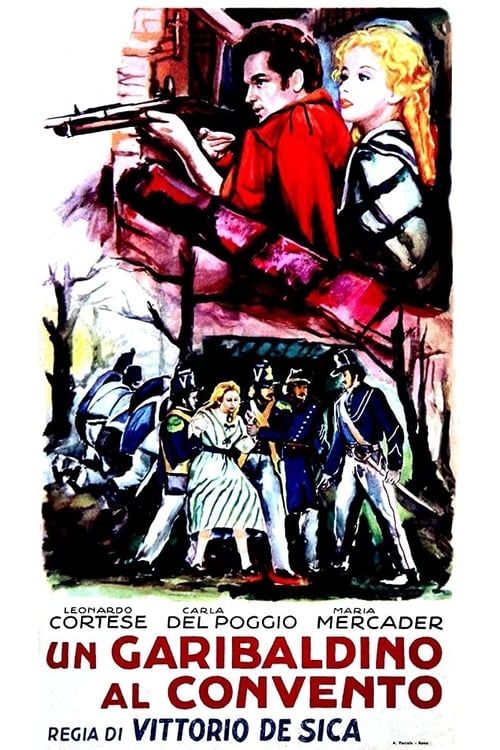
A Garibaldian in the Convent
1942
No user ratings available yet
Diversity score: 4.5 out of 10
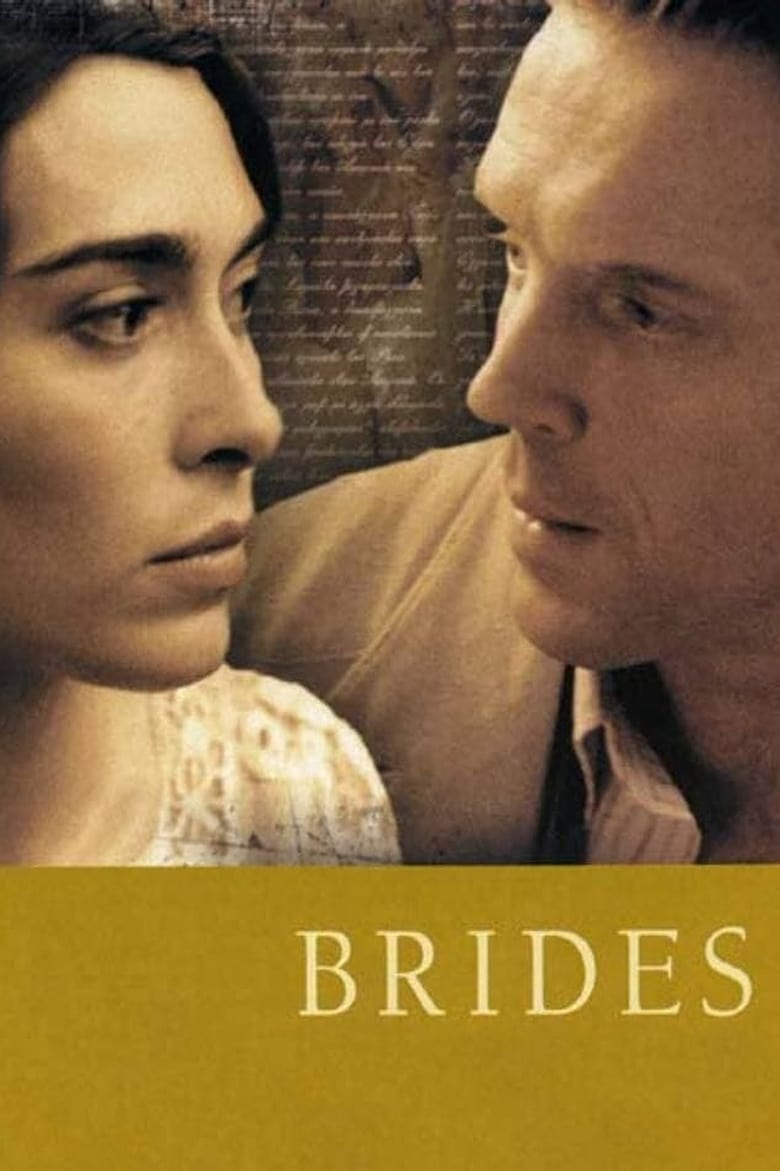
2004
Director
Pantelis Voulgaris
Runtime
128 minutes
Average Rating
No ratings yetSynopsis
A young female character, Nikki Douka, from Samothraki, is sailing to the U.S. to fulfill a marriage contract and save her family honor. Her skills as a seamstress keep her busily sewing throughout the voyage to alter wedding dresses for the third-class voyagers. But along the way, she meets a young American photographer who is returning from the Middle East where he was snapping shots of the war in Smyrna, 1922. Her honesty, pride, and beauty attract the attention of the American who falls in love with her. Tribulations abound during the voyage, following the dramas of several unfortunate young women upon whom nasty characters preyed, as Nikki struggles with her feelings for the photographer.
Overall Score
Fair
Category Breakdown
LGBTQ+ Representation
The film adheres to heteronormative romantic structures centered on marriage contracts. There is no evidence of queer narratives or non-cisnormative identities within the story.
Gender Representation
The narrative prioritizes female agency and the internal emotional lives of women. It critiques patriarchal power dynamics by highlighting the predatory nature of certain male characters.
Racial & Ethnic Diversity
The story offers a non-Anglo-Saxon perspective by centering on Greek identity. A cross-cultural encounter occurs through the introduction of an American photographer.
Religious & Cultural Diversity
The film explores the tension between individual desire and the weight of tradition. It depicts marriage as a social contract used to preserve family honor.
Disability Representation
There is no discernible focus on characters with visible or invisible disabilities. No instances of disability are used as plot devices.
Strengths
Areas for Improvement
AI Analysis
Brides is a character-driven historical drama that succeeds in shifting the cinematic gaze toward a nuanced exploration of gendered agency. By centering on the struggles of women like Nikki Douka, the film disrupts conventional patriarchal hierarchies and highlights female economic utility through professional skill. However, the film remains anchored in traditional social structures. It lacks explicit LGBTQ+ representation and does not engage with neurodivergent or disability-focused narratives, keeping the scope limited to the historical norms of its setting. While the film avoids Western-centric tropes by utilizing a Greek lens, its cultural exploration is more about the friction of tradition than a systemic critique of religious or capitalist institutions.
1942

1967
1990
2013
2002

1998

2013
No reviews yet. Be the first to share your thoughts on this movie!
Use the rating form above to leave a star rating and optional review.