#SalePute
2021
No user ratings available yet
Representation score: 6.6 out of 10
Representation Score
Good
2025
Director
Karine Dusfour
Runtime
52 minutes
Average Rating
No ratings yetNew Showbiz Analysis
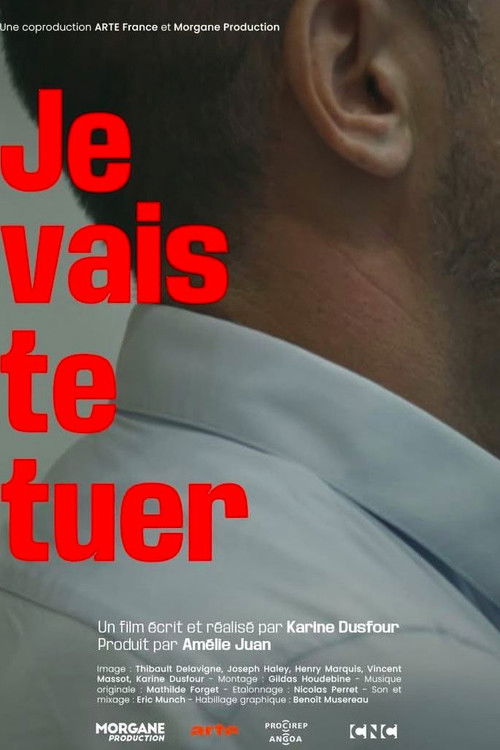
Karine Dusfour’s documentary rigorously interrogates power dynamics and systemic inequality. By focusing on the first French trials addressing coercive control, the film disrupts conventional domestic narratives. It replaces idealized views of the nuclear family with a critical analysis of psychological entrapment and patriarchal authority. The film excels in its critique of gendered violence and institutional failures. It frames the legal process as a tool for justice against misogyny, though it remains silent on specific LGBTQ+ or racial identities. This focus makes it a specialized study of gendered and cultural power structures.
Category Breakdown
The film examines domestic abuse and coercive control within French legal proceedings. It does not include specific LGBTQ+ identities or stories focused on queer experiences.
The film highlights the subversion of patriarchal dominance by revealing the mechanisms of psychological entrapment. Women play a significant role in driving the story as they navigate legal systems to combat systemic sexism.
The documentary is set in Poitiers, Colmar, and Paris. However, there are no specific details about the racial or ethnic makeup of the participants or the cast.
The film critiques traditional Western institutions, particularly legal and familial structures. It presents the idealized nuclear family as a site of potential systemic oppression.
The film explores psychological violence and discusses mental health and neuro-emotional vulnerability. It does not explicitly mention physical disabilities, focusing solely on psychological trauma.
Present on Screen
Limited or Absent
Official Synopsis
This documentary offers a rare look at domestic abuse through the concept of coercive control. With exceptional access to hearings in Poitiers, Colmar, and Paris, Karine Dusfour captures the first French trials to address this form of psychological violence. The film shows how coercive control traps partners through constant monitoring, a hidden terror affecting hundreds of thousands of women and children in France.
2021

2015

2019
2017

2017

2011

2021

2002
No reviews yet. Be the first to share your thoughts on this movie!
Use the rating form above to leave a star rating and optional review.