Tomorrow, When the War Began
2010
No user ratings available yet
Representation score: 2.7 out of 10
Representation Score
Excellent
2018
PG-13Director
Jennifer Yuh Nelson
Runtime
105 minutes
Average Rating
No ratings yetNew Showbiz Analysis
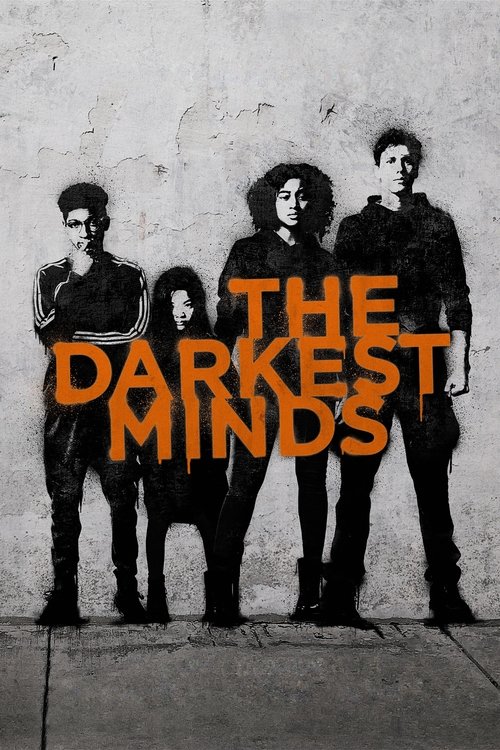
The film successfully challenges traditional power structures by centering women's ability to drive the story and presenting a multi-racial group of survivors. It uses dystopian clichés to critique how centralized institutions dehumanize those they consider biological threats. While the narrative excels in its portrayal of systemic oppression, it remains limited in its exploration of identity. The focus on immediate survival often comes at the expense of deeper social or identity-based character development. Ultimately, the film offers a compelling critique of authoritarianism, even if it misses opportunities for broader representation within the survivor group.
Category Breakdown
The story emphasizes survivalist bonds and intense emotional connections but does not include explicit depictions of non-binary genders or narratives that challenge the assumption that everyone is straight or cisgender.
Ruby Daly is a strong central figure who plays a significant role in driving the story. The film highlights her intellect and decision-making rather than traditional masculine leadership roles.
The film features a multi-ethnic cast in a post-apocalyptic setting, avoiding the common cliché of a homogeneous white protagonist.
The film criticizes state authority by portraying the government as an oppressive force. The protagonists' rebellion is a necessary response to a corrupt system.
Superpowers in the film serve as a metaphor for neurodivergence and invisible disabilities. The state treats these internal capacities as pathologies that require medicalized management and exclusion.
Present on Screen
Limited or Absent
Official Synopsis
After a disease kills 98% of America's children, the surviving 2% develop superpowers and are placed in internment camps. A 16-year-old girl escapes her camp and joins a group of other teens on the run from the government.
2010

2016

2016
2020
2020
2015

2014

2022
No reviews yet. Be the first to share your thoughts on this movie!
Use the rating form above to leave a star rating and optional review.