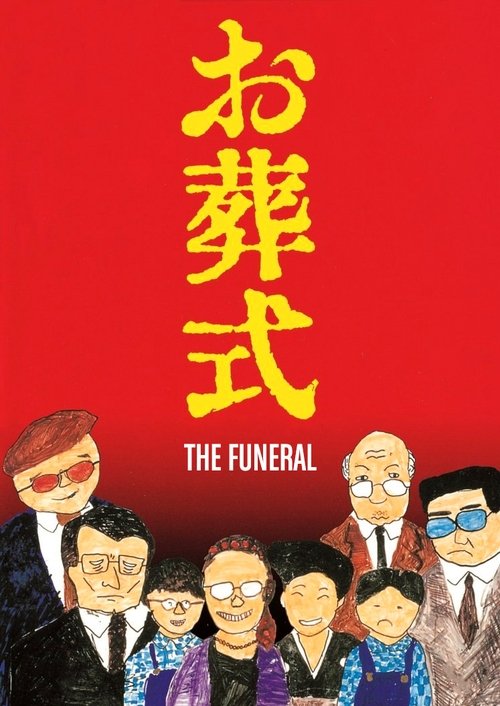
The Funeral
1984
No user ratings available yet
Diversity score: 4.3 out of 10
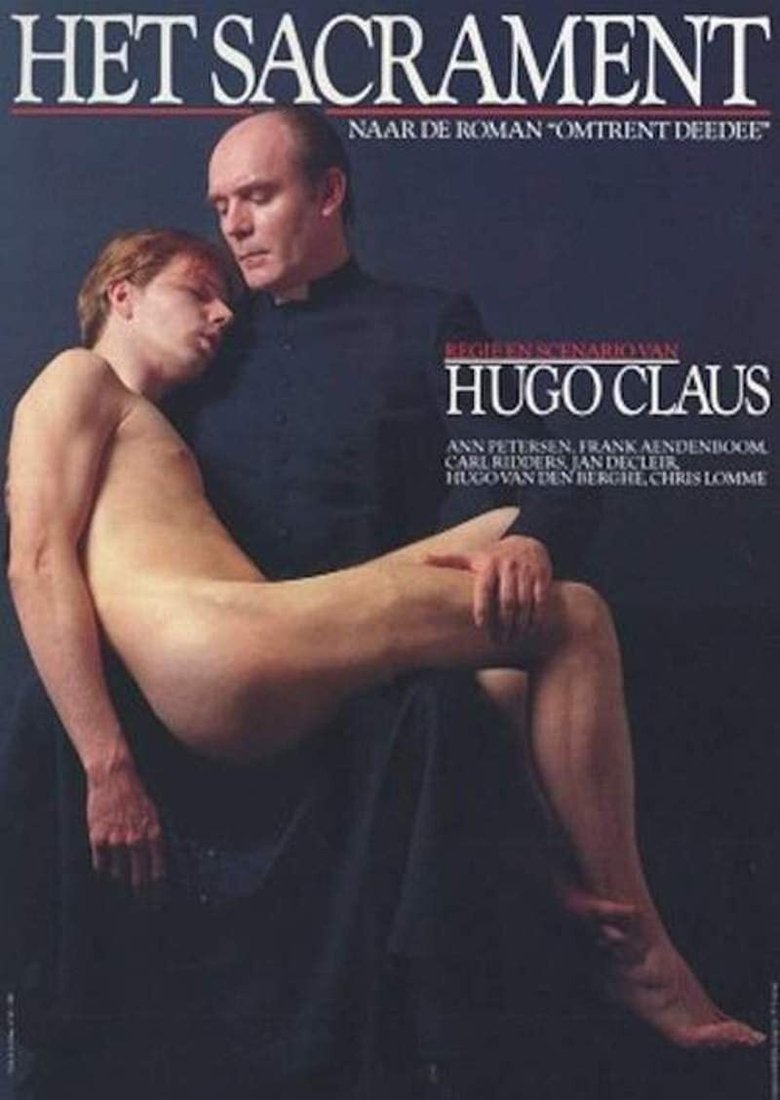
1990
Director
Hugo Claus
Runtime
90 minutes
Average Rating
No ratings yetSynopsis
The 1950s. A family has its annual family reunion to commemorate the anniversary of mother's death. People drink and eat heavily and after a while all restrictions are lost. Family members start venting old frustrations, discussions and tensions. Eventually one homosexual young man gets depressed and a drama escalates.
Overall Score
Fair
Category Breakdown
LGBTQ+ Representation
A young man's non-conforming identity acts as a central catalyst for the film's tension. His internal struggle and depression drive the dramatic arc, forcing other characters to confront their prejudices.
Gender Representation
The film depicts a patriarchal structure that collapses under emotional volatility. While men fail to maintain traditional leadership roles, the narrative portrays a landscape of shared dysfunction rather than female empowerment.
Racial & Ethnic Diversity
Set within a specific mid-century European milieu, the film reflects a homogeneous social landscape. The narrative focuses on class and lineage rather than ethnic diversity or racial blending.
Religious & Cultural Diversity
The film critiques Western institutions by portraying the family as a site of repression. It challenges the sanctity of domestic life by highlighting the resentment hidden behind social decorum.
Disability Representation
Mental health is addressed through depictions of depression and psychological distress. However, these elements often serve as plot devices to escalate drama rather than providing nuanced explorations of lived experience.
Strengths
Areas for Improvement
AI Analysis
The Sacrament functions as a psychological deconstruction of the mid-century nuclear family. It succeeds in challenging social hierarchies and the performative nature of familial unity, using individual identities to expose systemic repression. However, the film's scope is narrow. It lacks racial and ethnic diversity, remaining rooted in a homogeneous European context. Additionally, mental health struggles are utilized more as narrative tools for tension than as deep character studies. Ultimately, the film is a sophisticated critique of social norms, even if it relies on certain tropes to drive its chaotic descent.
1984

2003
1992
2003

1998

2013

2001

2017
2008
1990

2009

2020
No reviews yet. Be the first to share your thoughts on this movie!
Use the rating form above to leave a star rating and optional review.