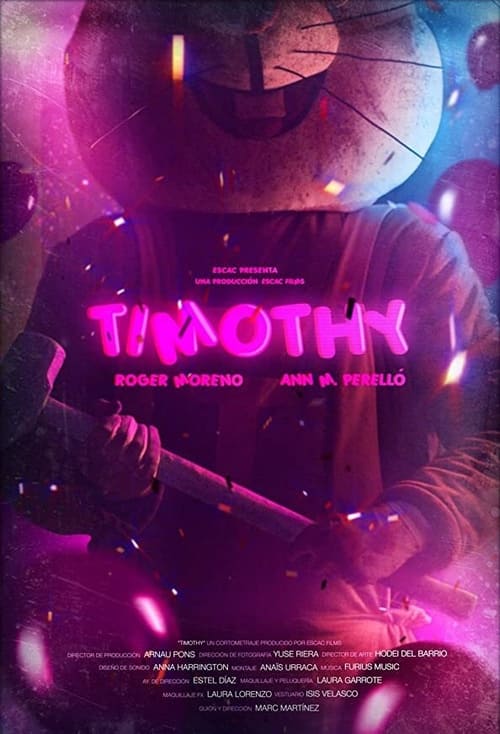
Timothy
2013
No user ratings available yet
Diversity score: 3.1 out of 10

2014
Director
Tim Knight, Matt Sears
Runtime
8 minutes
Average Rating
No ratings yetSynopsis
A mother puts her daughter to bed but when she wakes up, is it really her mother calling her name?
Overall Score
Limited
Category Breakdown
LGBTQ+ Representation
The film lacks any evidence of LGBTQ+ characters or non-cisnormative identities. The narrative focuses strictly on a traditional maternal-child relationship.
Gender Representation
The story is centered entirely on female characters, offering a female-centric perspective. However, it follows standard domestic portrayals without subverting traditional gender hierarchies.
Racial & Ethnic Diversity
The racial or ethnic identities of the cast are not specified. While names suggest European descent, there is no explicit evidence regarding racial diversity.
Religious & Cultural Diversity
The film explores the destabilization of the nurturing mother archetype. It challenges the sanctity of the domestic institution by framing the mother as a source of dread.
Disability Representation
There is no evidence of characters navigating neurodivergence, physical disabilities, or mental health conditions as central themes of agency.
Strengths
Areas for Improvement
AI Analysis
I Heard It Too is a focused, character-driven horror piece that operates within a narrow domestic framework. While the film provides a female-centric lens through its primary cast, it lacks the structural complexity needed for high intersectional representation. The narrative relies on localized psychological tropes rather than a broad systemic critique. It functions primarily as a genre study of maternal reliability and domestic instability.
2013
2020

2005

2016

2015

2022

2015
2016

2015

2015
2017
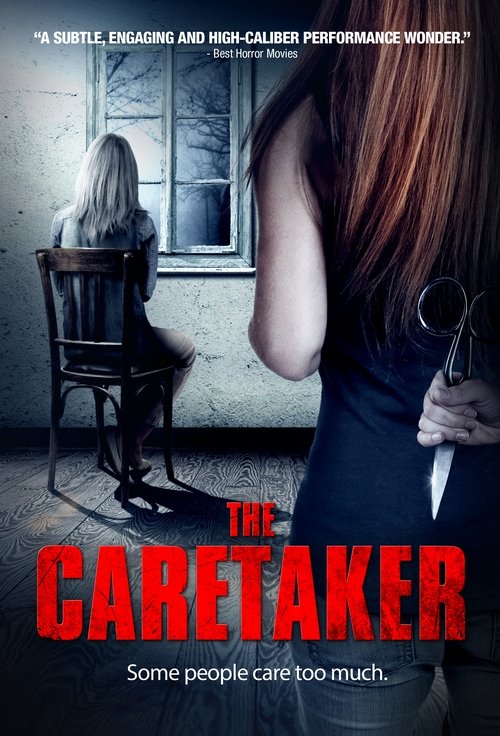
2016
No reviews yet. Be the first to share your thoughts on this movie!
Use the rating form above to leave a star rating and optional review.