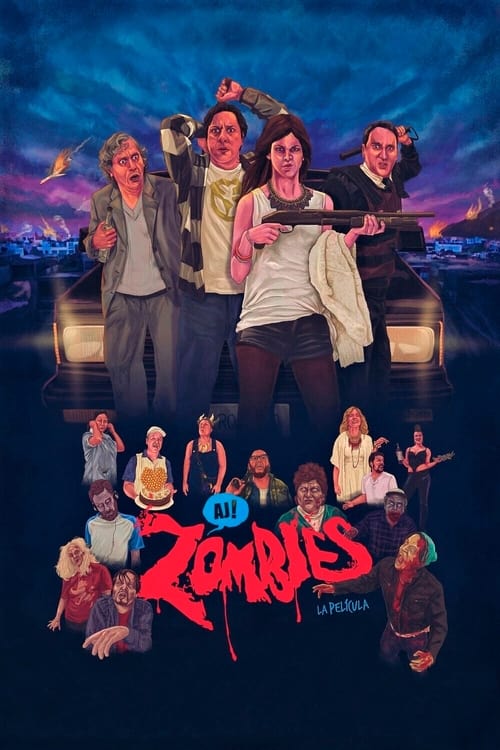
Aj Zombies!
2017
No user ratings available yet
Representation score: 4.6 out of 10
Representation Score
Fair
2012
Director
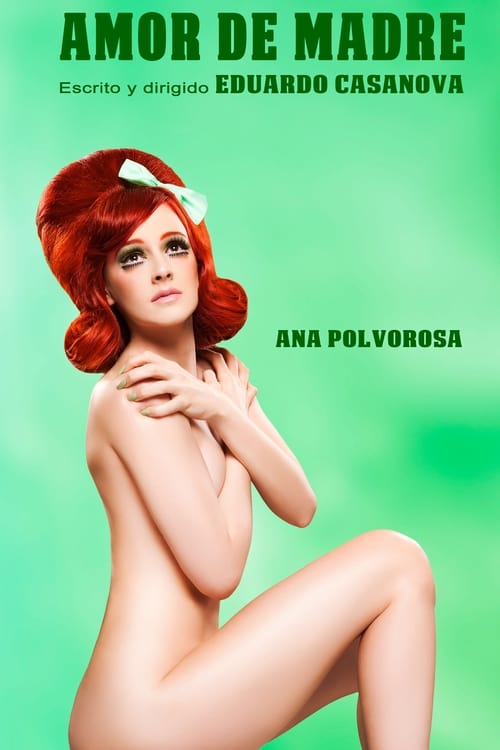
Eduardo Casanova
Runtime
22 minutes
Average Rating
No ratings yetNew Showbiz Analysis
Amor de madre uses a zombie apocalypse as a backdrop to explore the radicalization of maternal instinct. By focusing on a woman's capacity for extreme ability to act, the film disrupts traditional disaster clichés and gendered expectations of stability. The narrative emphasizes individualistic, primal impulses over collective survival, challenging established social hierarchies and exploring the fluidity of morality through a lens of fragmentation and abandonment. While the film excels at deconstructing gender roles and cultural norms, it lacks specific information regarding LGBTQ+ identities or disability representation.
Category Breakdown
The film doesn't provide explicit details about non-binary genders or same-sex relationships. However, it breaks down traditional family structures, creating a space where typical domestic setups are absent.
Ursula challenges traditional gender roles by acting as a powerful, transgressive force rather than a victim. The narrative dismantles the nurturing mother stereotype, presenting maternal instincts as a complex, morally ambiguous power.
The film focuses on localized Spanish-language struggles, avoiding broad Anglo-centric clichés. Specific racial compositions of the ensemble are not detailed.
The story frames theft and murder as justified through maternal love, rejecting institutional morality. It prioritizes subjective truth over legal or social order, viewing traditional institutions as flawed.
There is no evidence of characters with physical or neurodivergent disabilities in the narrative.
Present on Screen
Limited or Absent
Official Synopsis
The love that a mother feels justifies everything, a mother is capable of murder because of her child, she kills, she steals, she works the corner or any other thing that keeps her child alive; the love that a mother feels, brings up the better and the worst in every woman. Ursula (Ana Polvorosa) is a mother and she is living two tragedies at the same time, a zombie invasion and the fact that her husband left home with their son, Nicolas. To Ursula, the zombie invasion is just “an anecdote” because she, as a mother and as a woman, only cares about her missing child, helpless and alone in a world surrounded by green and crazy beings.
2017
2024
2017
2011
1988
2018

2005
2006
No reviews yet. Be the first to share your thoughts on this movie!
Use the rating form above to leave a star rating and optional review.