Viva Erotica
1996
No user ratings available yet
Representation score: 4.4 out of 10
Representation Score
Limited
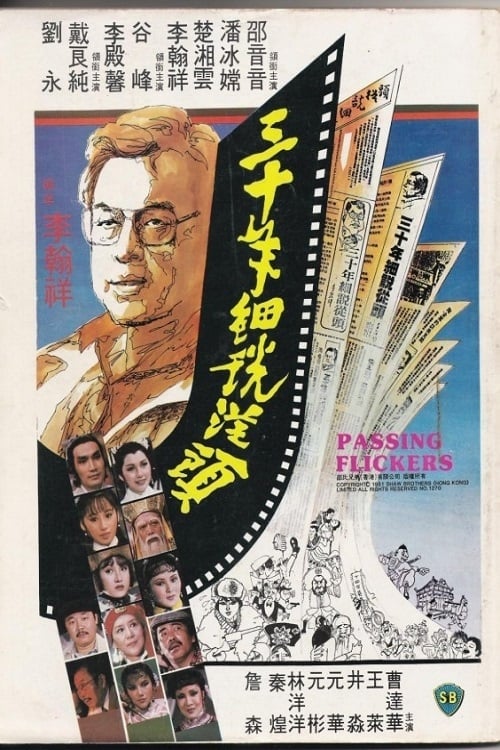
1982
Director
Li Han-Hsiang
Runtime
92 minutes
Average Rating
No ratings yetNew Showbiz Analysis
Passing Flickers functions as a meta-commentary on the artifice of filmmaking, using the sound stage to highlight industry absurdity. The satire targets technical pretensions and professional egos rather than systemic social hierarchies or identity politics. The narrative relies heavily on established character clichés, such as the arrogant director and the naïve actor. This reliance on conventional archetypes prevents the film from exploring nuanced character development. Ultimately, the film prioritizes the comedic mechanics of production over the exploration of diverse identities. It remains a product of its era, rooted in classical storytelling structures.
Category Breakdown
The film does not include LGBTQ+ identities or narratives. It focuses on industry archetypes and comedic situations rather than queer perspectives.
Traditional gender roles, such as the 'sexy starlet,' drive the narrative. Female characters lack a significant role in driving the story outside their roles, while the director's ego is satirized.
The film operates within a specific regional and cultural framework. It represents a particular industry but does not actively disrupt homogeneous casting norms.
Humor stems from the 'wishful fabrication' of the film industry. The narrative does not prioritize critiques of traditional family, religious, or Western institutional values.
There is no information regarding the portrayal of physical or neurodivergent disabilities in this work.
Present on Screen
Limited or Absent
Official Synopsis
The main characters - the arrogant, harassed director, the sexy starlet, or naïve actors are familiar enough stereotypes. Along the way however, there is some fun to be had as more humorous incidents occur on the sound stage, together with dashes of nudity. Some of the events are presumably inspired by real life experiences, others have a distinct air of wishful fabrication. The over-the-top Kung Fu star, deserted by director and crew as he goes through his pointless extended routine, for instance. Or the action heroes, sweating in furs while they dutifully munch through their meal scene, 'snow' falling outside in studio land.
1996

1996
1994
1973
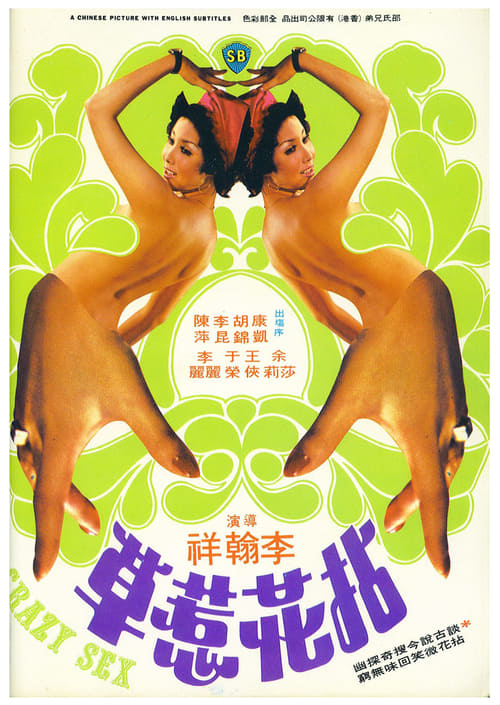
1976
1982
2002
1958
No reviews yet. Be the first to share your thoughts on this movie!
Use the rating form above to leave a star rating and optional review.