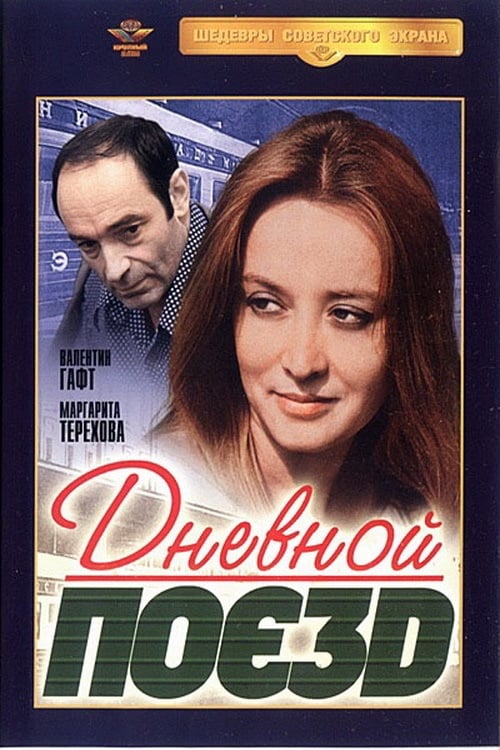
Daylight Train
1976
No user ratings available yet
Representation score: 3.4 out of 10
Representation Score
Fair
2007
Director
Yaroslav Chevazhevsky
Runtime
104 minutes
Average Rating
No ratings yetNew Showbiz Analysis
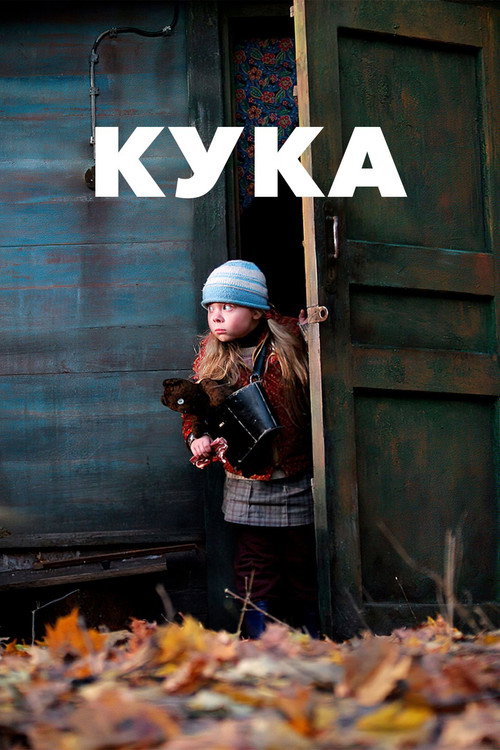
Kuka functions as a localized humanistic drama that emphasizes female-centric perspectives. The narrative weight rests on the individual ability to act of a woman and a young girl as they navigate social hardships. While the film avoids traditional male-dominated hero clichés, it lacks explicit markers of diversity. Ultimately, the film presents a character-driven study of displacement and destiny without venturing into broader systemic critiques.
Category Breakdown
The film does not include any visible representation of non-binary or LGBTQ+ identities. It also does not explicitly address straight-centered assumptions.
The story focuses on female protagonists who take control of their own lives. It avoids traditional patriarchal structures by emphasizing women's personal ability to act.
As a Russian-language production, the cast is primarily made up of Eastern Europeans. The film maintains a localized, homogeneous demographic focus typical of its region.
The narrative explores themes of struggle and destiny. However, it is unclear if the work engages with any specific critiques of religious or cultural institutions.
There is no documented evidence of neurodivergent characters or individuals with physical disabilities within the cast or synopsis.
Present on Screen
Limited or Absent
Official Synopsis
A woman and a young girl in different cities are struggling to find their way in this world. Will their paths intersect and will that change their destinies?
1976

2005

2007
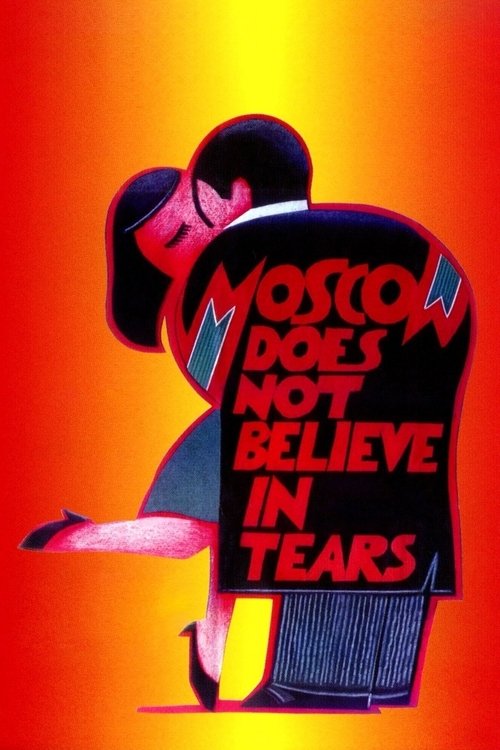
1980
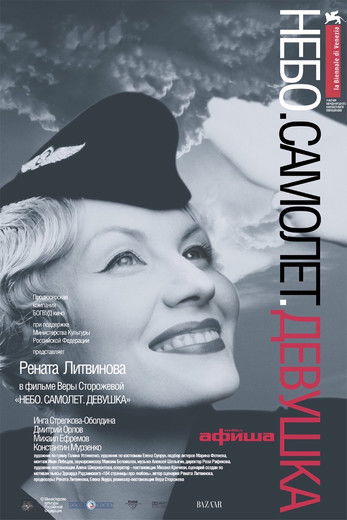
2002
2007
1970

1967
No reviews yet. Be the first to share your thoughts on this movie!
Use the rating form above to leave a star rating and optional review.