The Making of 'The Terminator': A Retrospective
1992
No user ratings available yet
Representation score: 0.8 out of 10

Representation Score
Minimal
1991
Not RatedDirector
Ed W. Marsh, David G. Hudson
Runtime
30 minutes
Average Rating
No ratings yetNew Showbiz Analysis
This documentary serves as a technical retrospective on cinematic innovation rather than a platform for social commentary. It prioritizes the mechanics of filmmaking, industrial processes, and the logistics of producing a high-budget blockbuster. The representation adheres to the historical industry norms of the early 1990s. Leadership and technical roles are predominantly male-dominated, and the crew composition aligns with the standard Hollywood studio ecosystem of that time. Since the film centers on mastering visual effects and technical craftsmanship, it does not intentionally explore diverse character-driven identity narratives.
Category Breakdown
The documentary does not include any focus on LGBTQ+ identities or stories. It sticks closely to documenting the technical aspects of film production.
Leadership roles in directing and special effects are mostly held by men. Although Sarah Connor is a key figure, the technical hierarchies shown reflect the industry standards of the early 1990s.
The cast and crew mirror the typical demographics found in large-scale action movies of 1991. There is no indication of intentional race-bending or diverse casting.
The narrative highlights Western technological progress and the Hollywood studio system. It does not explore themes that question Western institutions or moral relativism.
There is no evidence of characters or crew members dealing with visible or invisible disabilities. The emphasis is on the physical demands of high-intensity stunt work.
Present on Screen
Limited or Absent
Official Synopsis
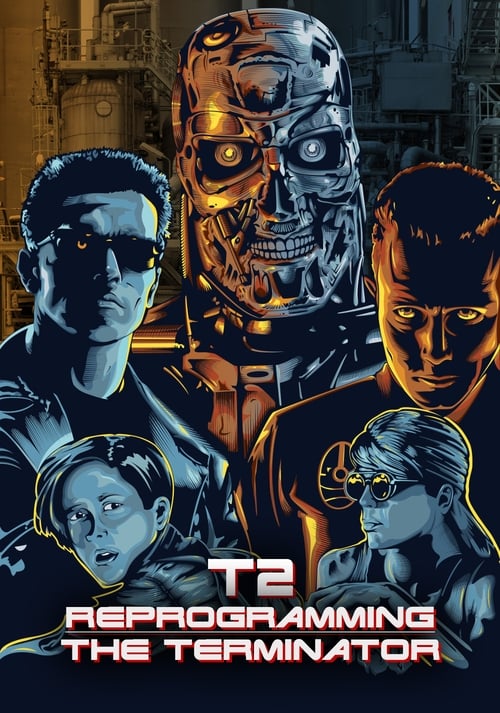
Documentary of the making of the sequel to the popular Schwarzenegger film, The Terminator.
1992

2001
1983
1985
2000
1984
2017
2002
No reviews yet. Be the first to share your thoughts on this movie!
Use the rating form above to leave a star rating and optional review.