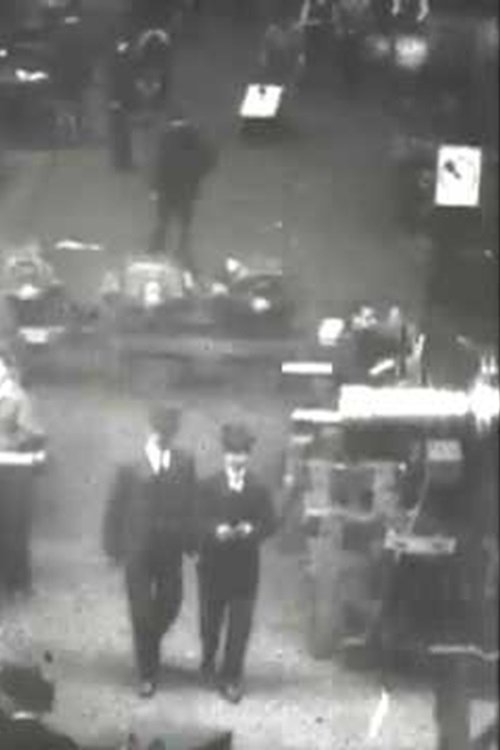
Panoramic View, Aisle B, Westinghouse Works
1904
No user ratings available yet
Representation score: 0.5 out of 10
No Poster Available
Representation Score
Minimal
1904
Director
Billy Bitzer
Runtime
70 minutes
Average Rating
No ratings yetNew Showbiz Analysis
Westinghouse Works provides a historical perspective on early 20th-century labor. Though it lacks modern multi-layered intentions, it offers a rare, unfiltered look at the actual workforce of the time. The film's primary strength is documenting women performing skilled industrial tasks, which challenges the expectation of a purely male-dominated space. However, the work remains a product of its time, lacking representation of LGBTQ+ identities, disability, and diverse racial backgrounds.
Category Breakdown
The film focuses solely on mechanical assembly and factory environments, showing no evidence of LGBTQ+ identities or queer narratives.
Women are shown actively participating in technical labor, such as winding armatures. This departs from the common portrayal of women in purely domestic roles during the era.
The footage reflects the homogeneous industrial settings typical of 1904. It lacks explicit representation of diverse racial backgrounds or multi-layered identities.
The film highlights industrial productivity and technological advancement, serving as a historical record of early industrial capitalism without critiquing Western institutions.
There is no visible evidence of workers with physical or neurodivergent disabilities being portrayed with real influence or as central to the documentary's focus.
Present on Screen
Limited or Absent
Official Synopsis
Billy Bitzer filmed 21 short actualities inside the Pittsburgh Westinghouse Works in April and May of 1904. Audiences of the day would have been treated to footage of factory panoramas, women winding armatures and turbines being assembled. These industrial films were produced for the American Mutoscope & Biograph Company.
1904

1927
1904
1904
1904
1904
1904
1904
No reviews yet. Be the first to share your thoughts on this movie!
Use the rating form above to leave a star rating and optional review.