Weaverfish
2013
No user ratings available yet
Representation score: 5.7 out of 10
Representation Score
Good
2006
Director
Konstantin Lopushansky
Runtime
109 minutes
Average Rating
No ratings yetNew Showbiz Analysis
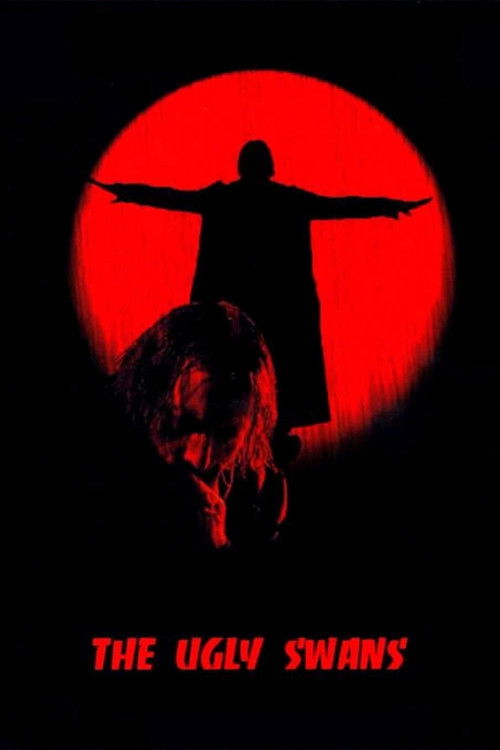
The Ugly Swans is a philosophical science fiction film that prioritizes evolutionary themes over specific identity politics. It uses speculative biology to challenge the permanence of current social and political hierarchies. While the film lacks visible LGBTQ+ or specific ethnic representation, it disrupts the concept of human supremacy. The narrative architecture focuses on how systemic biological shifts impact global governance and individual ability to act. Ultimately, the film functions as a critique of institutional stability, using the concept of 'otherness' to examine the friction between traditional humanity and a newly evolved class of beings.
Category Breakdown
The film does not include explicit LGBTQ+ characters or explore non-traditional sexual orientations. Instead, it focuses on the biological and societal impacts of mutant evolution.
A young female protagonist, Ira, is central to the story. This focus on her experience within a specialized school suggests a move away from typical male-dominated science fiction narratives.
The involvement of a UN commission indicates a global, post-national setting. The emergence of a mutant race serves as a metaphor for the tension between established populations and newcomers.
The story critiques global governance and the stability of Western institutions. It examines how established political structures struggle to handle radical, unsettling evolutionary changes in society.
The 'brainiac mutants' represent biological divergence and neurodivergence. By making these characters a powerful, driving force, the film avoids common clichés of portraying difference as merely inspirational.
Present on Screen
Limited or Absent
Official Synopsis
In the near future, writer Victor Banev gets himself on a UN commission to investigate the goings-on in the remote town of Tashlinsk, where reports tell of a virus-created race of brainiac mutants. His tween daughter Ira is enrolled at a school for gifted children which has been taken over by the mutants, who have grown to despise ordinary humanity.
2013

1986

1989
2011
2009

2006

2005
1995
No reviews yet. Be the first to share your thoughts on this movie!
Use the rating form above to leave a star rating and optional review.