
2036: Nexus Dawn
2017
No user ratings available yet
Representation score: 6.0 out of 10
Representation Score
Fair
2017
PG-13Director
Luke Scott
Runtime
6 minutes
Average Rating
No ratings yetNew Showbiz Analysis
2048: Nowhere to Run operates within a sophisticated, speculative framework that challenges traditional hierarchies. While it doesn't explicitly represent underrepresented identities, it benefits from the franchise's history of deconstructing social and biological norms. The film's strength lies in its exploration of complex themes such as moral relativism and the struggle against deterministic systems. It goes beyond simple action to delve into the intricacies of identity and restraint. However, the narrative remains focused on a single male perspective, which limits the film's ability to showcase a wider range of human experiences.
Category Breakdown
The film doesn't show any explicit LGBTQ+ identities or relationships that aren't straight. The story mainly follows a single character's inner struggles.
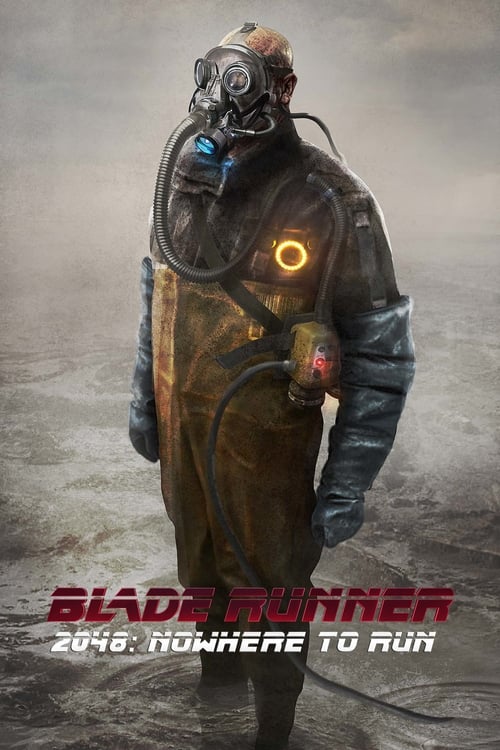
The story focuses on a male protagonist named Sapper, who deals with themes of violence and restraint. It might challenge typical tough-guy stereotypes by showing a gentler side along with the ability for violence.
The setting features a multicultural, urban environment typical of the Blade Runner series. This setting naturally breaks down homogeneous Western social structures through a globalized look.
The film highlights moral relativism and the individual's fight against oppressive systems. Its science fiction setting promotes secularism and questions the sanctity of established institutions.
There is no information about the portrayal of physical or neurodivergent disabilities in this work.
Present on Screen
Limited or Absent
Official Synopsis
“2048: Nowhere to Run” takes place one year before the events of Blade Runner 2049. The short film focuses on Sapper, a man who is trying to make it through life day-by-day without turning back to his old ways. We’re introduced to both the gentle nature of Sapper and the violence he’s capable of when set off.
2017

2002

2018

2007
2021

2010

2005
1981
No reviews yet. Be the first to share your thoughts on this movie!
Use the rating form above to leave a star rating and optional review.