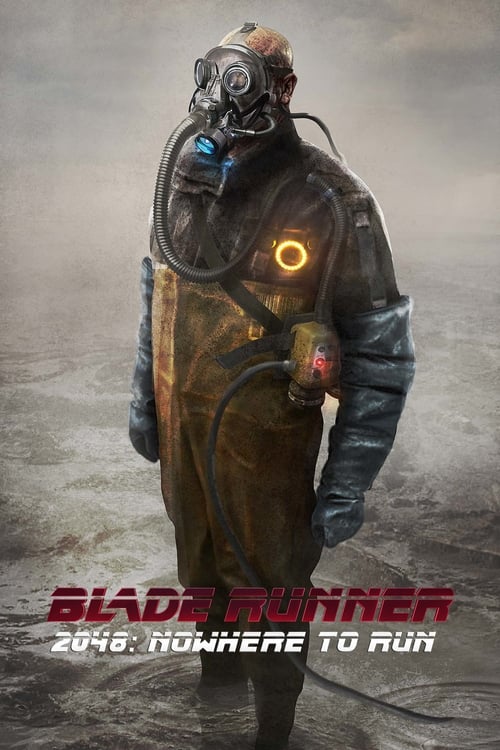
2048: Nowhere to Run
2017
No user ratings available yet
Representation score: 5.3 out of 10
Representation Score
Good
2017
PG-13Director
Luke Scott
Runtime
7 minutes
Average Rating
No ratings yetNew Showbiz Analysis
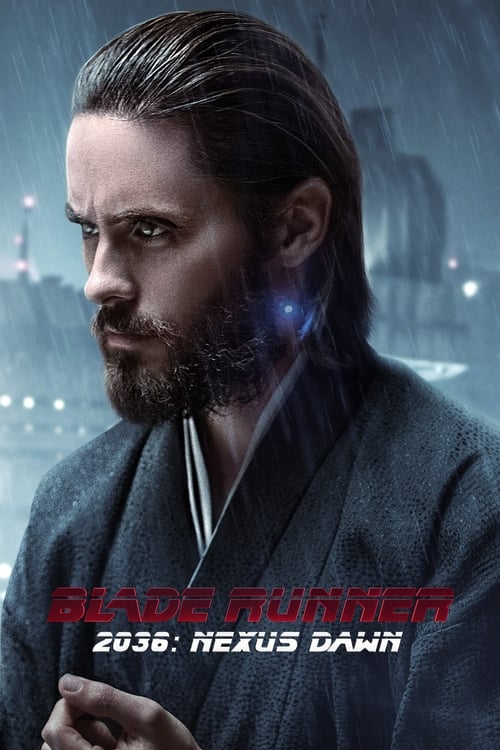
2036: Nexus Dawn primarily serves as a philosophical exploration of life and divinity. It lacks traditional demographic representation across most categories, focusing instead on the singular, powerful perspective of Niander Wallace. While the film fails to provide meaningful LGBTQ+, racial, or gender diversity, it excels in its cultural critique. By positioning synthetic intelligence as a transformative, spiritual force, it challenges the primacy of traditional religious and biological frameworks. Ultimately, the work functions as a deconstruction of the human-centric worldview, trading demographic breadth for a sophisticated, post-humanist exploration of what it means to be 'perfected.'
Category Breakdown
The film focuses on technological advancements and the introduction of new replicant models. There are no explicit depictions of LGBTQ+ identities or character arcs centered around queerness.
The film centers on Niander Wallace, a powerful male figure. This structure emphasizes a dominant male perspective, with a notable lack of women's ability to drive the story or subverted gender power dynamics.
Set in a sterile, high-tech corporate environment, the film features a monolithic protagonist. There is no significant multi-layered casting or blending of diverse ethnic identities.
The film critiques traditional religious structures by presenting artificial intelligence as a divine force. It disrupts conventional religious hierarchies by depicting technology as a successor to religious awe.
The film does not feature characters with visible or invisible disabilities. The focus on 'perfected' replicants centers on a standard of capability that does not engage with neurodivergence.
Present on Screen
Limited or Absent
Official Synopsis
Niander Wallace introduces a new line of "perfected" replicants called the Nexus 9, seeking to get the prohibition on replicants repealed.
2017
2013

2019
2003

2015
2016

1982

2016
No reviews yet. Be the first to share your thoughts on this movie!
Use the rating form above to leave a star rating and optional review.