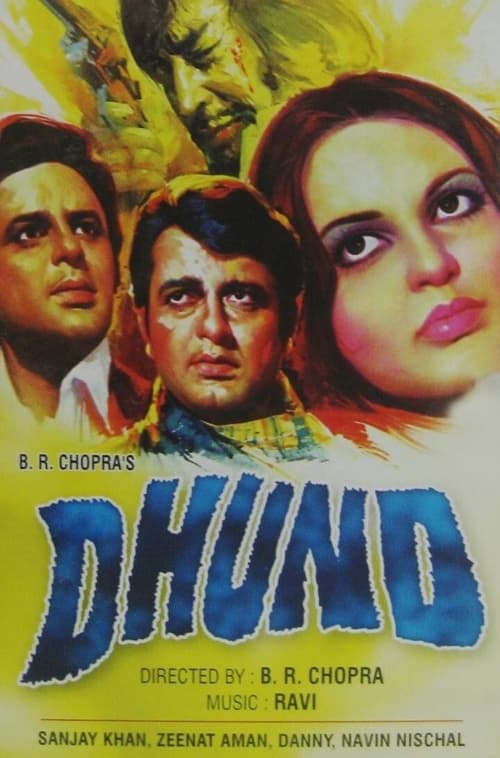
Dhund
1973
No user ratings available yet
Representation score: 3.8 out of 10
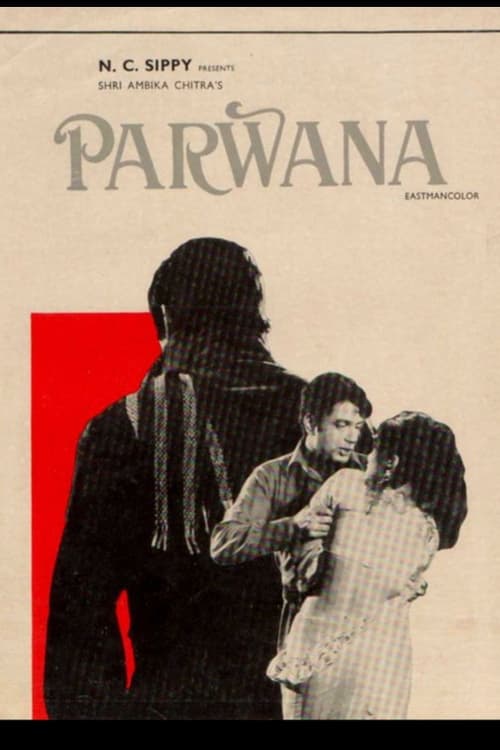
Representation Score
Minimal
1971
Director
Jyoti Swaroop
Runtime
122 minutes
Average Rating
No ratings yetNew Showbiz Analysis
Parwana functions as a traditional 1970s mystery-thriller that relies on established social and gender hierarchies to drive its plot. Tension arises from patriarchal authority and romantic desire rather than challenging these norms. The film presents a standard representation of Indian cultural life for its period, lacking complexity in diversity. While it offers emotional depth for the female lead, she remains tied to a male-centric narrative arc. Ultimately, the work reflects the conventional cinematic values of its era, emphasizing melodrama and legal resolution over social critique.
Category Breakdown
The film does not include any LGBTQ+ characters or stories. Romantic tension is focused solely on a relationship between Kumar Sen and Asha Varma, following traditional heterosexual norms.
Asha Varma is a key character, but her role is mostly reactive to the conflicts driven by men. her ability to act is limited to responding to the emotional turmoil within traditional romantic structures.
The cast is culturally uniform, reflecting the Indian social context of the time. There is no indication of whitewashing or casting actors who do not match the expected cultural background.
The story upholds traditional social hierarchies and the authority of the patriarch. It operates within a framework of established morality and social order.
There are no visible depictions of physical or neurodivergent disabilities. No characters use disability as a plot device or method of characterization.
Present on Screen
Limited or Absent
Official Synopsis
Kumar Sen is an artist of eminence, a talented painter, and a renowned sculptor; and like the majority of his clan, he has a sensitive introvert. But no artist can achieve any degree of brilliance in his work. Miss Asha Varma is the only niece of a retired, jovial old pensioner, Ashok Varma, and she is truly the light of Kumar's life. One stormy night, Kumar tries to hold Ashok Varma to his unsaid promise of giving him asha's hand in marriage. But the interview ends in unpleasantness for both of them, as angrily the old man ordered Kumar never to darken his doorstep again. Soon after Ashok Varma is strangled to death. Asha's beau Rajesh is arrested for Ashok's murder. The whole drama unfolds in court and truth prevails, who really murdered Ashok Varma and whether Rajesh is innocent or guilty.
1973
1937

1997
1947
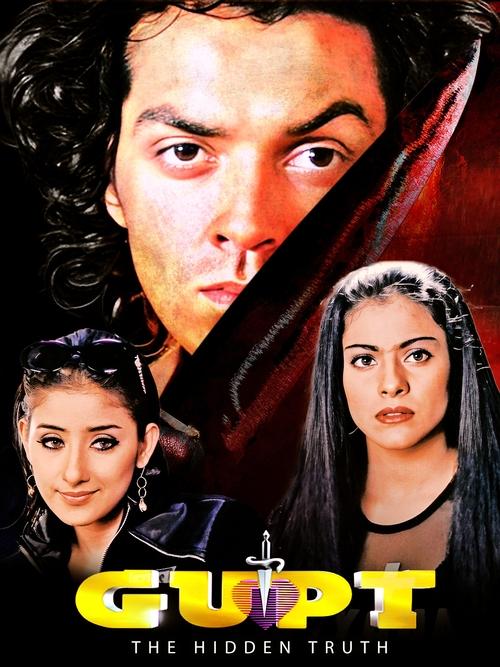
1997
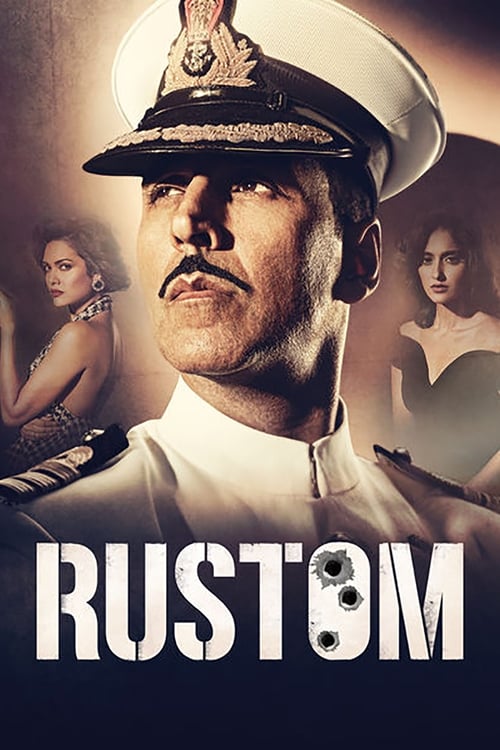
2016
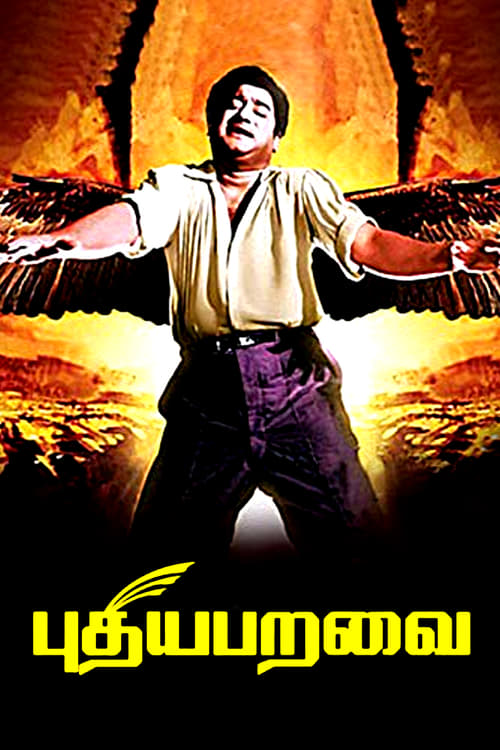
1964
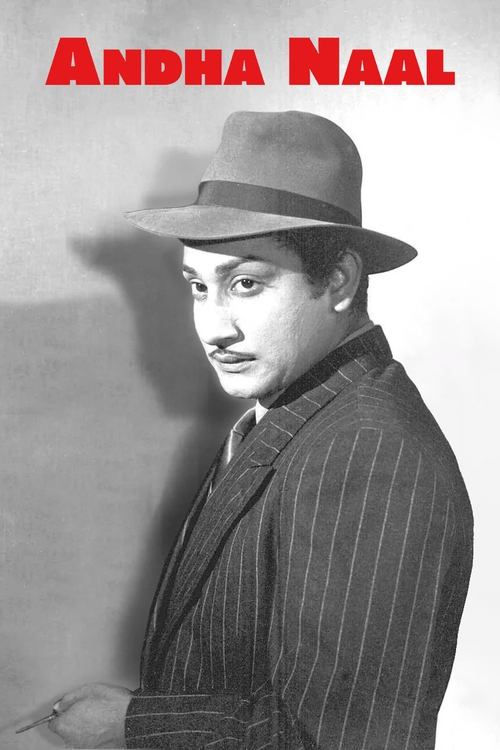
1954
No reviews yet. Be the first to share your thoughts on this movie!
Use the rating form above to leave a star rating and optional review.