
Curse of Crom: The Legend of Halloween
2022
No user ratings available yet
Representation score: 4.2 out of 10
Representation Score
Limited
2026
Director
Jem Garrard
Runtime
93 minutes
Average Rating
No ratings yetNew Showbiz Analysis
The film opens with a cursed farm and a town that has forgotten its missing children, selling a premise where supernatural horror serves as a metaphor for collective denial. Sam, a forgotten boy, races to break a curse that turned kids into pumpkins, while his guardian Rusty navigates the mundane anxieties of parenting and suburban life. The pictures like the found-family dynamic between the teens and the adult, positioning the "Weird Kids" as the moral center against a hollow, amnesiac town. The sold meaning is that individual memory and connection can override systemic neglect. Sam’s search for the ritual book contrasts with Rusty’s desire to sell the farm and move on, framing the past as a burden to be shed rather than a wound to be healed. The film’s argument is that "normalcy"—represented by the school, the farm, and the eventual resolution—is the correct state, even if it required decades of silence. The last image likely settles into this suburban comfort, rewarding the characters for returning to a structured, if slightly haunted, domestic life. The contradiction lies in the film’s treatment of the town’s past: it critiques the curse’s violence but ultimately validates the town’s desire to forget. The "Weird Kids" are accepted back into the fold, but the structural issues of memory and neglect are not deeply examined. The film is a standard teen horror sequel, using the supernatural to explore themes of belonging and family, but it stops short of challenging the suburban status quo it ultimately affirms.
Category Breakdown
No queer characters or same-sex intimacy appear. The social dynamics remain strictly heterosexual and heteronormative throughout the narrative.
Sam and Becka share the investigative lead, but Rusty’s anxiety keeps the adult male in a caretaker role. Female characters function primarily as emotional stakes rather than independent agents.
Adeline Lo and Sebastian Billingsley-Rodriguez provide visible Asian and Latino representation. Their roles are integrated into the ensemble without specific ethnic commentary or stereotyping.
The film critiques the town’s collective amnesia regarding the curse. It ultimately validates the suburban normalcy of the farm and school system as the safe, correct resolution.
No characters are depicted with physical, mental, or sensory disabilities. The supernatural curse serves as a plot device, not a representation of lived disabled experience.
Present on Screen
Limited or Absent
Official Synopsis
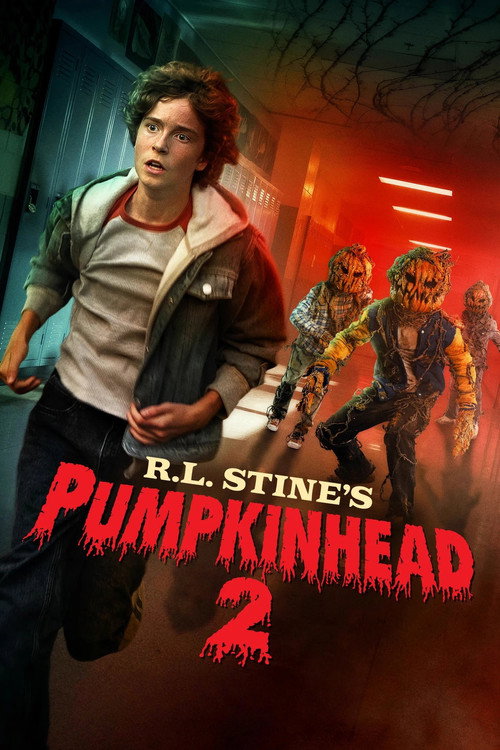
Sam and Becka race to stop a new Pumpkinhead curse from claiming the entire town of Redhaven.
2022
2025

2025
2018
2020
1997
2010
2016
No reviews yet. Be the first to share your thoughts on this movie!
Use the rating form above to leave a star rating and optional review.