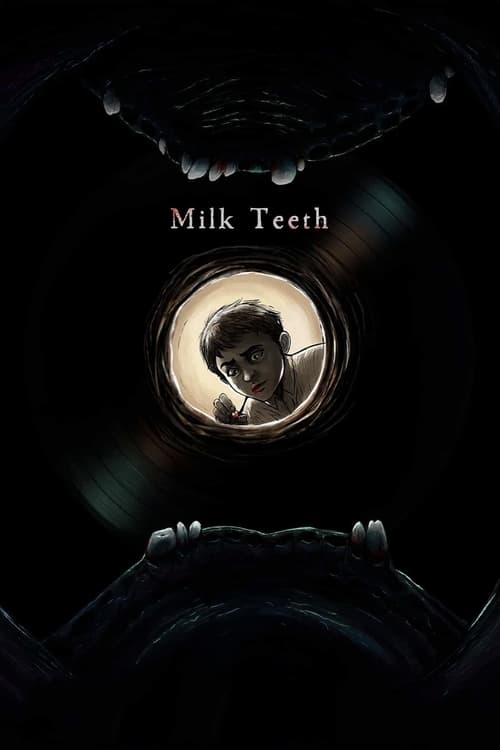
Milk Teeth
2020
No user ratings available yet
Representation score: 4.3 out of 10

Representation Score
Excellent
2025
RDirector
Bryan Fuller
Runtime
106 minutes
Average Rating
No ratings yetNew Showbiz Analysis
Dust Bunny leverages multi-layered casting to challenge genre norms, particularly through the presence of Sheila Atim and David Dastmalchian. Aurora’s active role disrupts traditional child-victim clichés, offering strong gender representation despite the male-led action.
Category Breakdown
The film does not include explicit LGBTQ+ relationships or identity-specific portrayals, resulting in a neutral score for non-inclusion without derogatory stereotypes.
Aurora plays a significant role in driving the story, subverting the passive child victim cliché. Sigourney Weaver's prominent role adds strength, although the male protagonist and traditional horror clichés temper the overall gender dynamics.
The film features multi-layered casting with actors like Sheila Atim and David Dastmalchian, challenging genre norms. The Chinatown sequence and dragon puppet metaphor engage with ethnic imagery, earning high marks for inclusive casting in a predominantly white genre.
The New York City and Chinatown settings suggest multicultural engagement. However, the horror plot focuses on universal fears rather than explicit critiques of Western institutions or traditional family structures, limiting cultural depth.
There are no visible or invisible disabilities featured or cast in the film. Aurora’s trauma is not framed as disability representation, resulting in a low score due to the absence of meaningful inclusion or authentic casting.
Present on Screen
Limited or Absent
Official Synopsis
Ten-year-old Aurora asks her hitman neighbor to kill the monster under her bed that she claims ate her family. To protect her, he must battle an onslaught of assassins while accepting that some monsters are real.
2020
1999
2017

2024
2021
2010
2010
2018
No reviews yet. Be the first to share your thoughts on this movie!
Use the rating form above to leave a star rating and optional review.