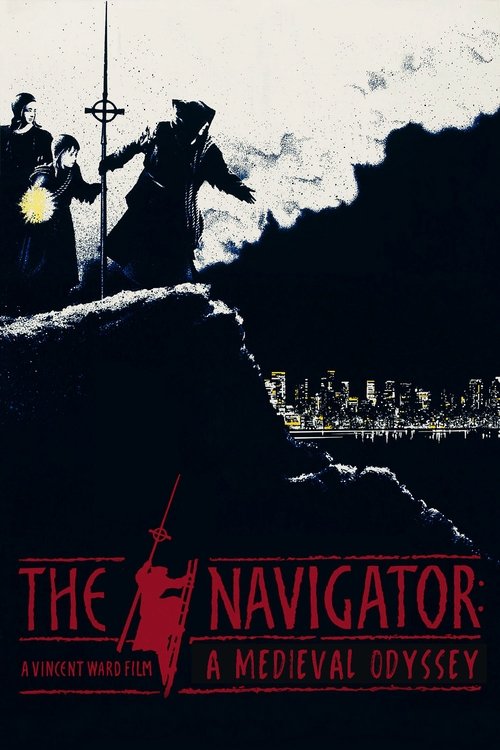
The Navigator: A Medieval Odyssey
1988
No user ratings available yet
Diversity score: 6.1 out of 10
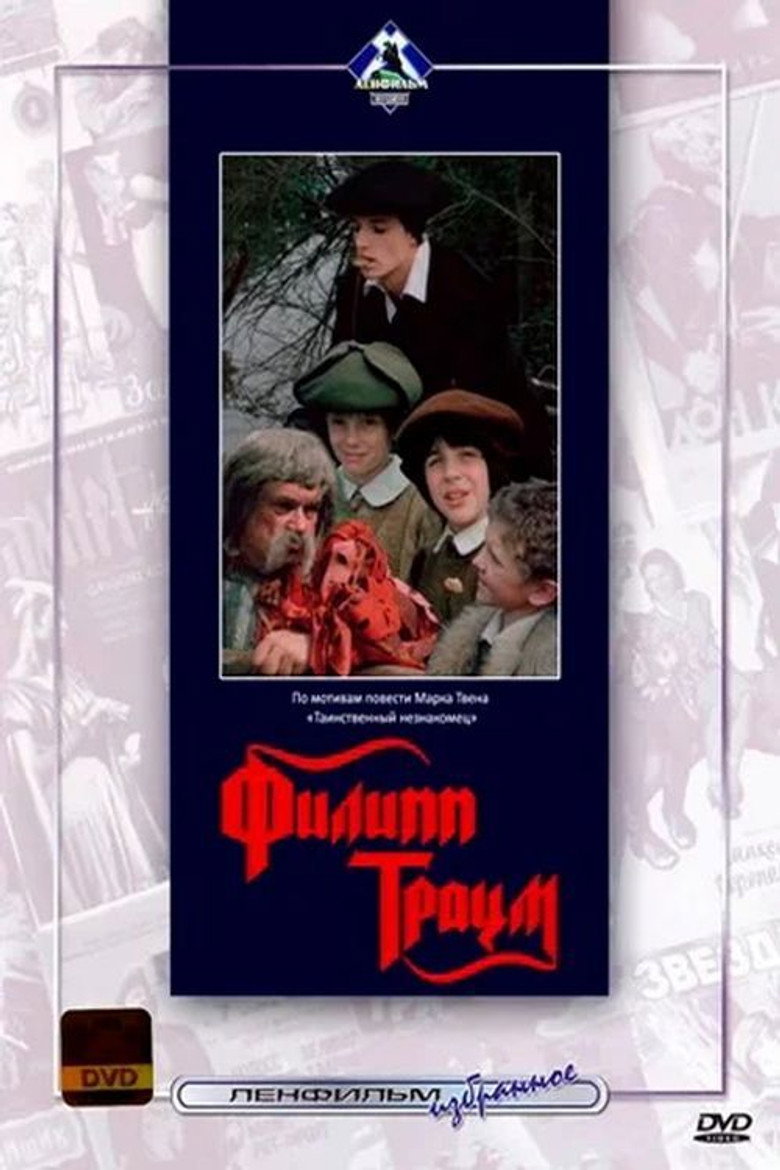
1989
Director
Igor Maslennikov
Runtime
128 minutes
Average Rating
No ratings yetSynopsis
A story based on "The Mysterious Stranger" novel by Mark Twain.
Overall Score
Fair
Category Breakdown
LGBTQ+ Representation
The film focuses on metaphysical and existential themes rather than identity-driven narratives. There is no evidence of explicit LGBTQ+ character arcs or non-cisnormative gender identities.
Gender Representation
The story centers on a singular entity interacting with traditional social groups. It does not appear to subvert gender hierarchies or prioritize female agency beyond 19th-century social depictions.
Racial & Ethnic Diversity
Casting likely reflects a homogeneous European or Slavic demographic consistent with Soviet production. There is no evidence of race-bent casting or a non-Anglo-Saxon majority.
Religious & Cultural Diversity
The narrative engages with moral relativism and critiques human institutions. Philipp Traum acts as a catalyst for questioning the stability of social norms and civilized morality.
Disability Representation
There is no documented evidence regarding the inclusion of characters with physical or neurodivergent disabilities in this adaptation.
Strengths
Areas for Improvement
AI Analysis
Philipp Traum is a philosophical literary adaptation that prioritizes metaphysical mystery over modern intersectional representation. The film uses Mark Twain's source material to explore existentialism and the deconstruction of social certainties. While the film offers intellectual depth through its critique of human institutions, it remains demographically narrow. The production reflects the historical and regional context of Soviet cinema, resulting in a lack of racial and gender-based subversion. Ultimately, the work succeeds as a philosophical inquiry but lacks the specific identity-driven agency and demographic variety found in more progressive contemporary works.
No reviews yet. Be the first to share your thoughts on this movie!
Use the rating form above to leave a star rating and optional review.