Wir Kellerkinder
1960
No user ratings available yet
Representation score: 3.5 out of 10
Representation Score
Excellent
2007
Director
Dani Levy
Runtime
89 minutes
Average Rating
No ratings yetNew Showbiz Analysis
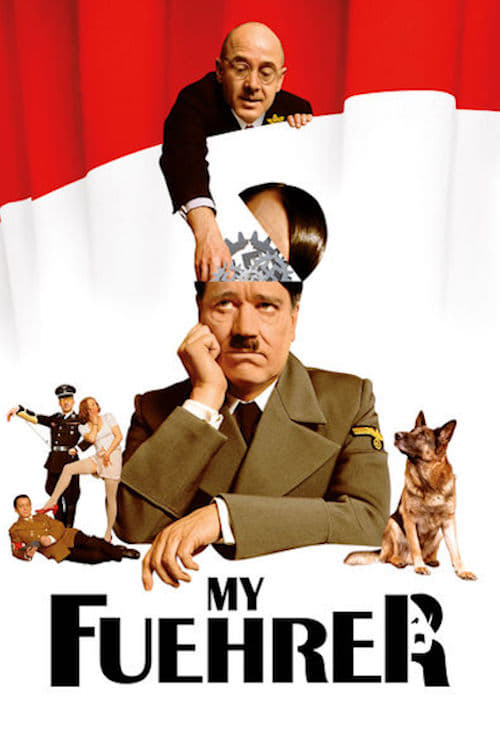
Dani Levy’s satire succeeds by reversing the traditional power dynamics. By positioning a Jewish acting teacher as a key figure in the dictator's downfall, the film grants a significant role in driving the story to those typically portrayed only as victims. This intellectual confrontation effectively dismantles the myth of Nazi invincibility. However, the film’s impact varies across different identity markers. While it successfully deconstructs hyper-masculinity and nationalist institutions, it remains largely silent on LGBTQ+ identities and lacks meaningful female participation in the central narrative. Ultimately, the film serves as a sophisticated critique of authoritarianism. It replaces historical reverence with a grotesque, comedic lens that exposes the incompetence behind the regime’s rhetoric.
Category Breakdown
The film does not include explicit LGBTQ+ identities or non-cisgender romantic relationships. Although it challenges traditional masculine roles through satire, it does not feature any specific queer character arcs.
The film undermines patriarchal authority by showing Hitler as neurotic and emotionally vulnerable instead of domineering. However, the main plot lacks significant roles for female characters.
Jewish characters are portrayed as active agents who psychologically deconstruct the regime, providing a strong critique of systemic oppression. They are shown as having power and ability to act rather than just being victims.
The narrative uses dark humor to dismantle the legitimacy of National Socialism. It portrays the regime's foundations as absurd, hollow, and inherently destructive.
Psychological instability and neurosis are used as satirical tools to undermine authority. These elements serve as comedic devices rather than nuanced explorations of mental health issues.
Present on Screen
Limited or Absent
Official Synopsis
Hitler no longer believes in himself, and can barely see himself as an equal to even his sheep dog. But to seize the helm of the war he would have to create one of his famous fiery speeches to mobilize the masses. Goebbels therefore brings a Jewish acting teacher Grünbaum and his family from the camps in order to train the leader in rhetoric. Grünbaum is torn, but starts Hitler in his therapy ...
1960
1981

2001

2002

2009

1983

2020

1942
No reviews yet. Be the first to share your thoughts on this movie!
Use the rating form above to leave a star rating and optional review.