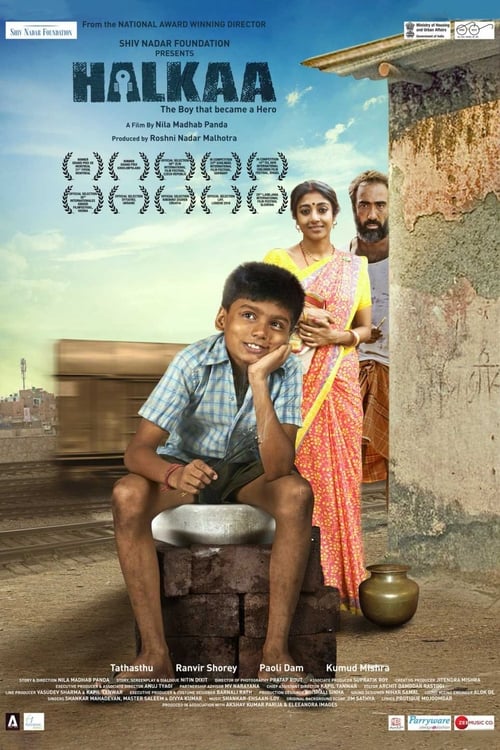
Halkaa
2018
No user ratings available yet
Diversity score: 5.7 out of 10
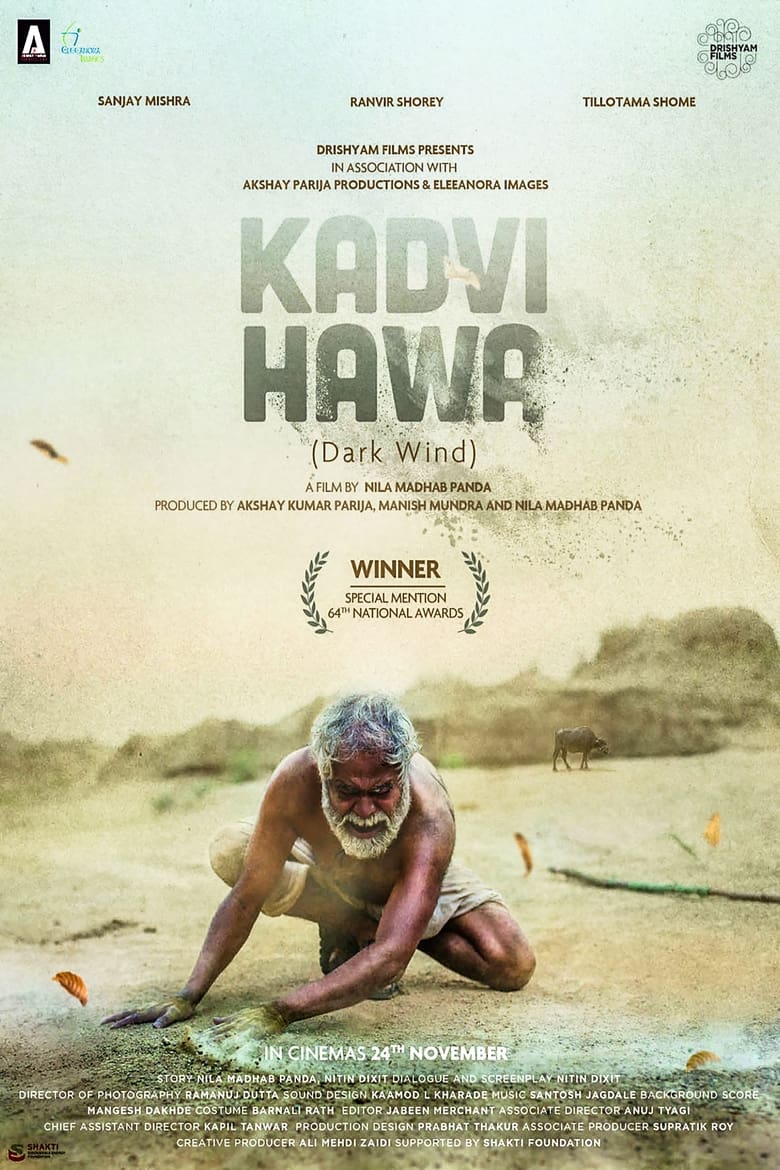
2017
Director
Nila Madhab Panda
Runtime
99 minutes
Average Rating
No ratings yetSynopsis
In a village affected by climate change and scanty rainfall, a blind farmer strikes a deal with the debt recovery agent to save his son from a debt trap.
Overall Score
Good
Category Breakdown
LGBTQ+ Representation
The film offers no explicit evidence of LGBTQ+ characters or non-heteronormative identities. The narrative focuses primarily on familial bonds and economic survival.
Gender Representation
The story centers on a male protagonist and his son, utilizing a traditional familial structure. However, the protagonist's disability potentially deconstructs traditional notions of masculine competence.
Racial & Ethnic Diversity
The film provides high ethnic specificity by centering on a rural Indian village. It prioritizes non-Western narratives by focusing on localized struggles within a non-Anglo-Saxon framework.
Religious & Cultural Diversity
The narrative critiques systemic inequality, specifically how environmental shifts and debt cycles impact marginalized populations. It frames financial institutions as oppressive forces within this cultural context.
Disability Representation
Disability is central to the plot, as the protagonist is a blind farmer. This positioning integrates sensory disability into the character's agency and high-stakes economic negotiations.
Strengths
Areas for Improvement
AI Analysis
Dark Wind distinguishes itself by centering a disabled protagonist within a systemic critique of climate change and predatory lending. Rather than treating disability as a peripheral trait, the film makes the protagonist's blindness a core driver of the narrative conflict. The film excels in ethnic specificity and disability representation, moving away from individualist tropes to explore how environmental instability affects rural Indian communities. It successfully avoids 'inspiration porn' by focusing on the character's complex struggle for survival. However, the film's focus on a traditional male-led family structure limits its gender diversity. There is also no indication of LGBTQ+ representation within the current narrative framework.
2018
2017
2021
2018
2021
2004
2003
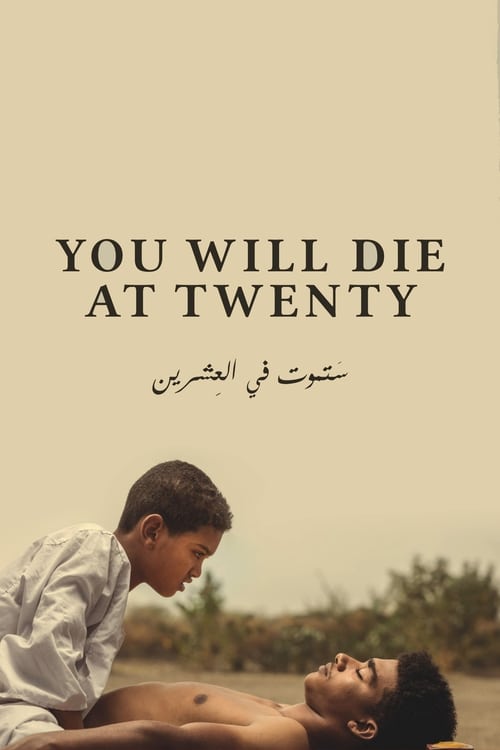
2020
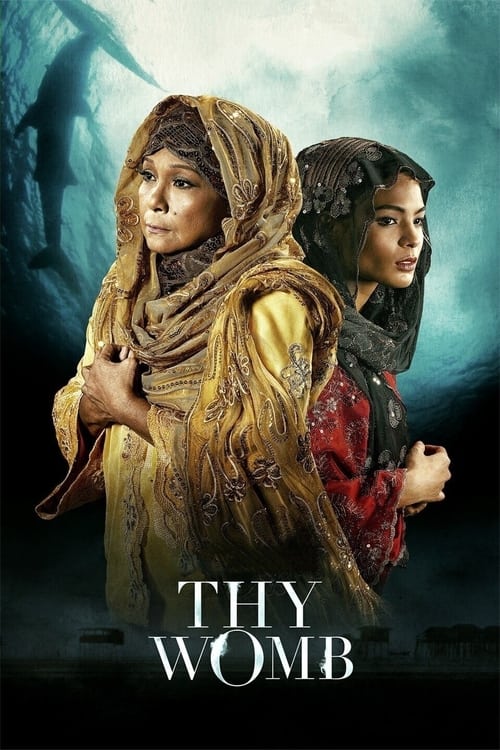
2012
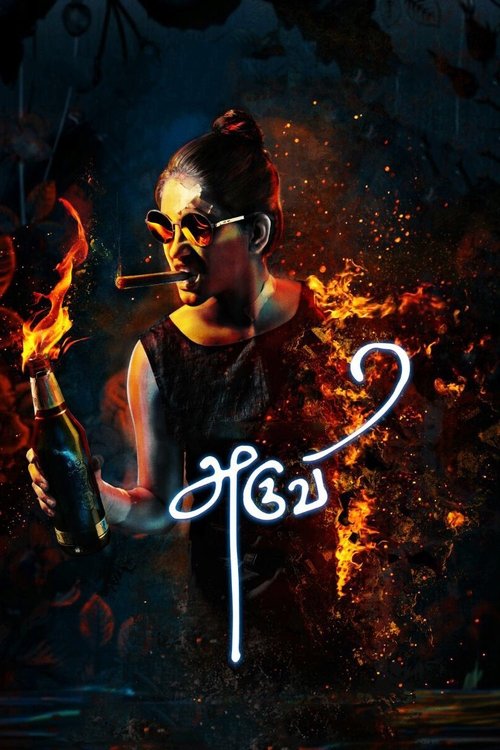
2017
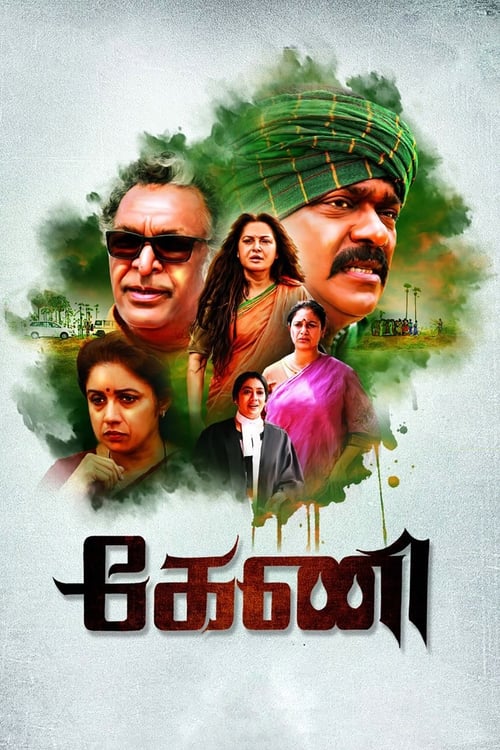
2018
2020
No reviews yet. Be the first to share your thoughts on this movie!
Use the rating form above to leave a star rating and optional review.