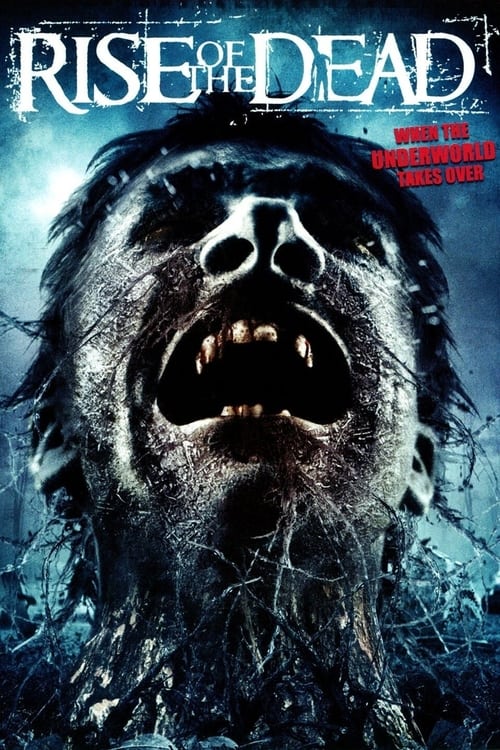
Rise of the Dead
2007
No user ratings available yet
Diversity score: 3.1 out of 10
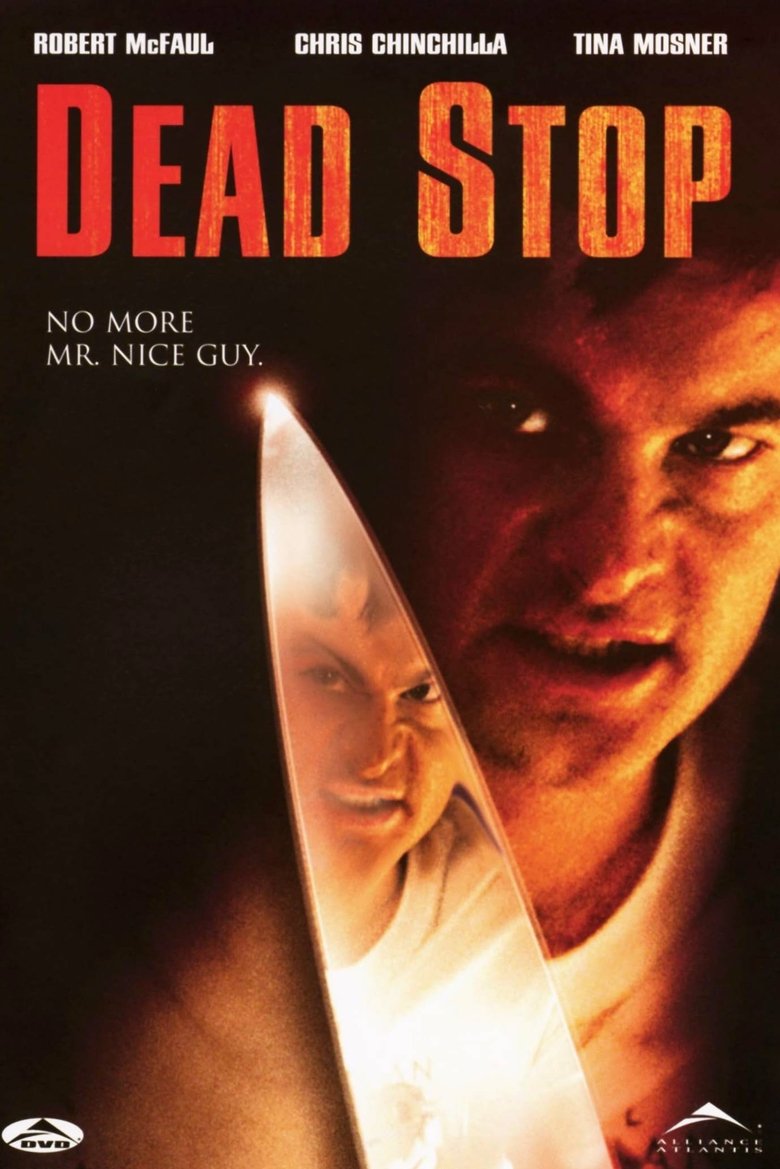
1995
RDirector
Allan Smythe
Runtime
92 minutes
Average Rating
No ratings yetSynopsis
Jack the Ripper returns to wreak havoc on a small American town, and litters the neighborhood with a series of mutilated, eviscerated corpses. When he slays journalist J. Looker's girlfriend, Looker becomes the number one suspect and scapegoat - and must embark on a quest to clear his own name and bring the maniac to a bitter end.
Overall Score
Limited
Category Breakdown
LGBTQ+ Representation
The film follows a traditional heteronormative structure. It centers on a male protagonist and his relationship with a female victim, offering no visible non-cisnormative identities.
Gender Representation
Gender roles align with mid-90s cinematic hierarchies. The male lead drives the plot, while the female character serves primarily as a catalyst through her victimization.
Racial & Ethnic Diversity
The setting appears to be a potentially homogeneous small American town. There is no indication of a diverse cast or high-agency characters of color.
Religious & Cultural Diversity
The story operates within a standard Western crime thriller framework. It focuses on individual justice rather than exploring systemic ethics or diverse cultural perspectives.
Disability Representation
There is no information available regarding the inclusion of characters with physical, sensory, or neurodivergent disabilities.
Strengths
Areas for Improvement
AI Analysis
Dead Stop is a conventional 1990s slasher that relies heavily on established genre tropes. The narrative architecture prioritizes a traditional hero's journey, centering on a male protagonist's quest for redemption after a personal tragedy. The film lacks intersectional complexity, focusing instead on a singular pursuit of justice within a localized, likely homogeneous setting. This results in a narrow perspective that misses opportunities for broader social or cultural representation. Ultimately, the work functions as a standard horror piece of its era, adhering to traditional gender roles and lacking any significant engagement with diverse identities or systemic critiques.
2007
1976
1988
2005
1987

2005

2001
1989

1986
2014
2020
2009
No reviews yet. Be the first to share your thoughts on this movie!
Use the rating form above to leave a star rating and optional review.