
Honey
1981
No user ratings available yet
Representation score: 4.7 out of 10
Representation Score
Limited
1969
Director
Susumu Hani
Runtime
105 minutes
Average Rating
No ratings yetNew Showbiz Analysis
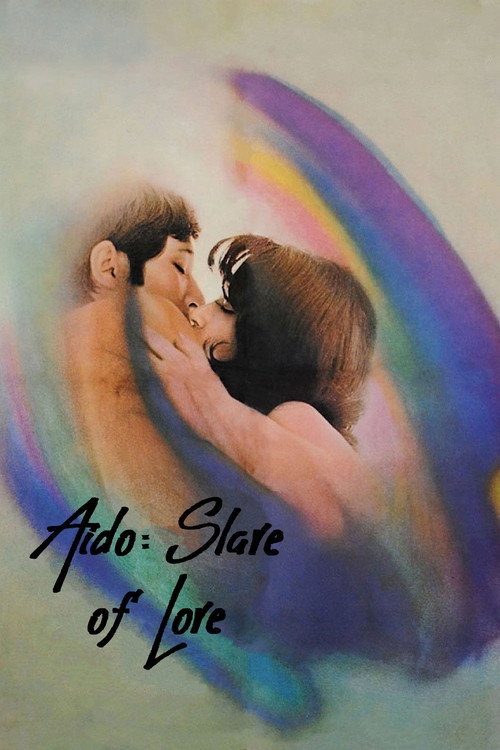
The film presents a narrow demographic scope typical of its era, featuring an all-Japanese cast and exclusively heterosexual relationships. Gender dynamics are the primary area of variation, with Aido and Madame Enjoji exercising significant control over the passive male protagonist. This inversion of traditional power roles provides the main diversity element within the narrative. Racial, LGBTQ+, and disability representation are entirely absent from the on-screen inventory. The plot focuses on psychological obsession and erotic desire rather than social identity or physical difference. The setting remains isolated, limiting interaction with broader societal groups or cultural contexts. The overall score reflects this limited range. While the gender dynamics offer a distinct perspective on agency and desire, the lack of other diversity markers keeps the aggregate score low. The film’s value lies in its specific psychological and erotic exploration rather than broad representational scope.
Category Breakdown
The narrative centers on heterosexual pairings between Shusei and Aido, and Shusei and Yoko. No same-sex romance, queer identity, or non-binary characters appear in the provided cast or plot details.
Aido functions as a dominant erotic force, described as the "living embodiment" of Shusei’s fantasies. Madame Enjoji holds matriarchal authority over the mansion, while Shusei remains passive and obsessed. Yoko is a standard romantic interest who rejects Shusei’s advances, but the film frames female sexuality as a haunting, consuming power rather than a traditional prize.
Absent. The cast consists entirely of Japanese actors, reflecting the film’s 1969 setting. No non-Japanese characters, cross-cultural dynamics, or racial themes are depicted in the synopsis or credits.
The film questions traditional social structures by framing Shusei’s obsession as a descent into madness. The "Japan Design Institute" and boardinghouse settings represent conventional society, which Shusei abandons for the isolated mansion. The narrative treats the boundary between reality and fantasy as unstable, with the "real world" failing to contain Shusei’s desires.
Absent. No characters display lasting physical, sensory, or cognitive impairments. Shusei’s psychological unraveling is framed as erotic obsession and madness, not a disability. No fat bodies or neurodivergent traits are central to the plot or character development.
Present on Screen
Limited or Absent
Official Synopsis
After wandering into a cemetery, a young man named Shusei is led by the mysterious Madame Enjoji to a secluded mansion. There, he is introduced to Aido, an ethereal woman who seems to be the living embodiment of his most surreal erotic fantasies. Caught between the real world and a haunting dreamscape, Shusei becomes obsessed with Aido.
1981
1973
1967

1970
1981
1977
2006
1972
No reviews yet. Be the first to share your thoughts on this movie!
Use the rating form above to leave a star rating and optional review.