Ghadi
2013
No user ratings available yet
Representation score: 6.5 out of 10
Representation Score
Good
2016
Director
Joachim Dollhopf
Runtime
98 minutes
Average Rating
No ratings yetNew Showbiz Analysis
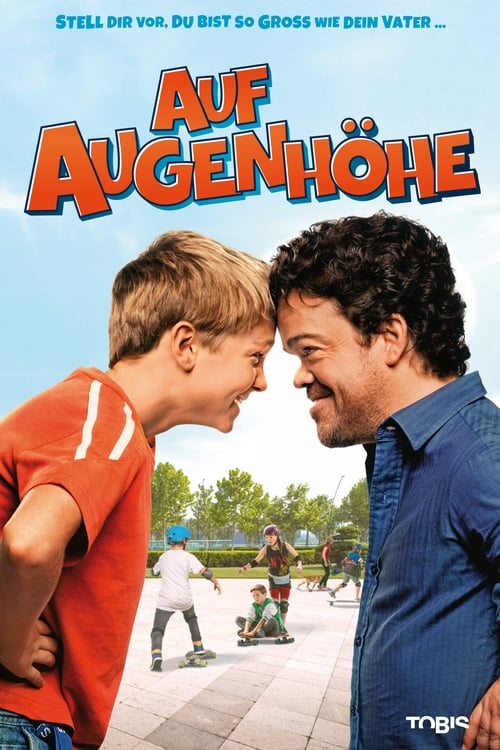
At Eye Level is a character-driven study that shines by centering a physically underrepresented identity. The film uses Tom’s dwarfism not just as a plot device but as a means to explore societal perceptions of strength and capability. While it excels in disability representation and challenging traditional masculine archetypes, it lacks depth in terms of racial and LGBTQ+ diversity. The film's value lies in its refusal to rely on idealized family structures, opting instead for a nuanced exploration of unconventional kinship and the deconstruction of physical hierarchies.
Category Breakdown
The film centers on the bond between a father and son and does not include explicit LGBTQ+ characters or non-straight relationships. It avoids negative stereotypes related to LGBTQ+ individuals.
The story challenges traditional masculine roles by focusing on a father who defies typical protector archetypes. Michi's shame highlights the critique of strict gender definitions of manliness.
The narrative seems to focus on a localized, homogeneous community. There is no indication of significant racial mixing or casting of non-Anglo-Saxon actors in the domestic or institutional settings.
The film emphasizes emotional authenticity over idealized family life. It explores kinship through the lens of social shame and systemic challenges, avoiding traditional, sentimentalized family clichés.
The film excels in providing a significant role in driving the story and depth to a character with dwarfism. It explores the psychological impact of disability on both the individual and his relationship with his child.
Present on Screen
Limited or Absent
Official Synopsis
11-year-old Michi lives in a children's home, every day fighting to win the respect of the other kids, till the day he finds his real dad, Tom - who happens to be a dwarf, even shorter than Michi is, the opposite of his idea of manliness and strength. When the kids find out, Michi's life becomes hell and he flees. With nowhere to go, he moves in with Tom, who is new to this fatherhood thing, while Michi tried to hide his embarrassment and shame from his fellow school kids. This forces Tom, who had coped well till now, to confront his handicap head on. As time passes, they discover they have more in common than other sons and fathers, until their relationship is again suddenly put to the hard test...
2013

2013

2016

2016
2011
1998
2003
1998
No reviews yet. Be the first to share your thoughts on this movie!
Use the rating form above to leave a star rating and optional review.