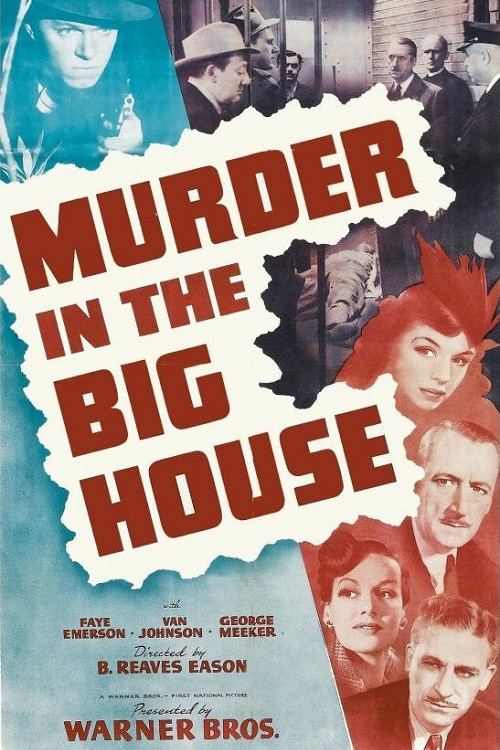
Murder in the Big House
1942
No user ratings available yet
Representation score: 0.8 out of 10
Representation Score
Minimal
1940
ApprovedDirector
Christy Cabanne
Runtime
65 minutes
Average Rating
No ratings yetNew Showbiz Analysis
This 1940s crime drama follows a conventional investigative structure. Although it features a female protagonist who drives the plot, the resolution relies on male authority figures. The film touches on themes of forced labor and institutional corruption, offering a layer of social critique. However, this critique focuses on individual wrongdoing rather than broader societal issues. Overall, the film adheres to traditional gender roles and lacks the complexity needed to address multi-layered issues or challenge established social norms.
Category Breakdown
The film does not include any characters with LGBTQ+ identities or same-sex relationships. It follows a typical detective and romance storyline.
A female secretary initiates the plot by sending a coded message, playing a significant role. However, the main investigative work is done by male detectives.
The film does not provide any information about the racial or ethnic makeup of its characters, likely reflecting the homogenous casting practices of the 1940s.
The story critiques systemic corruption and the misuse of legal institutions. It adheres to a traditional moral framework centered around justice.
There are no characters with physical, sensory, or neurodivergent disabilities mentioned in the film.
Present on Screen
Limited or Absent
Official Synopsis
A secretary sends a coded plea for help in her monthly report; two detectives investigate and find out that men are jailed on phony charges, forced to work in oil fields and then murdered if they try to escape.
1942
1939
1940
1940

1956
1937
1940
1942
No reviews yet. Be the first to share your thoughts on this movie!
Use the rating form above to leave a star rating and optional review.