Egypt 3D
2013
No user ratings available yet
Diversity score: 4.3 out of 10
2008
Director
Annámaria Tálas, Simon Nasht
Runtime
55 minutes
Average Rating
No ratings yetSynopsis
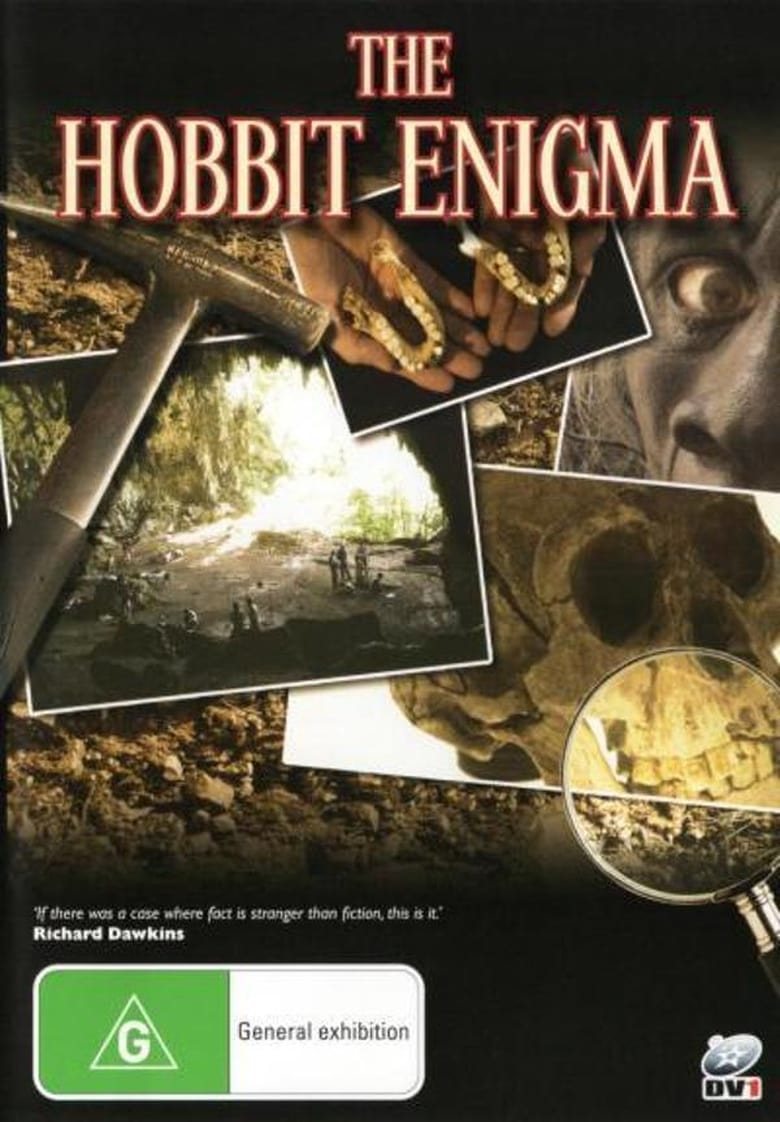
The Hobbit Enigma examines one of the greatest controversies in science today: what did scientists find when they uncovered the tiny, human-like skeleton of a strange creature, known to many as the Hobbit, on the Indonesian island of Flores in 2003?
Overall Score
Fair
Category Breakdown
LGBTQ+ Representation
The documentary focuses strictly on paleoanthropology and scientific inquiry. It contains no LGBTQ+ characters, narratives, or themes.
Gender Representation
The film maintains a neutral stance typical of observational scientific media. It does not specifically address gendered power dynamics or hierarchies.
Racial & Ethnic Diversity
The narrative centers on Southeast Asian archaeological history and Indonesian geography. This shifts the lens away from traditional Western-centric historical frameworks.
Religious & Cultural Diversity
The film engages with the deconstruction of established scientific truths. It challenges the absolute authority of long-standing Western scientific consensus.
Disability Representation
There is no evidence of subjects or characters portraying physical or neurodivergent disabilities.
Strengths
Areas for Improvement
AI Analysis
The Hobbit Enigma is a specialized academic documentary that prioritizes scientific discovery over character-driven social narratives. Its diversity is primarily geographic and intellectual rather than interpersonal. While the film succeeds in moving the historical lens toward Indonesia and non-Western contexts, it lacks the intersectional representation found in narrative cinema. The focus remains on the tension between new archaeological evidence and established evolutionary frameworks. Ultimately, the film's impact is found in its disruption of academic hierarchies rather than its portrayal of diverse human identities.
2013
2017
2010
2010
2023
2016
2017

2014
1993
2018
2006
2011
No reviews yet. Be the first to share your thoughts on this movie!
Use the rating form above to leave a star rating and optional review.