Find another title
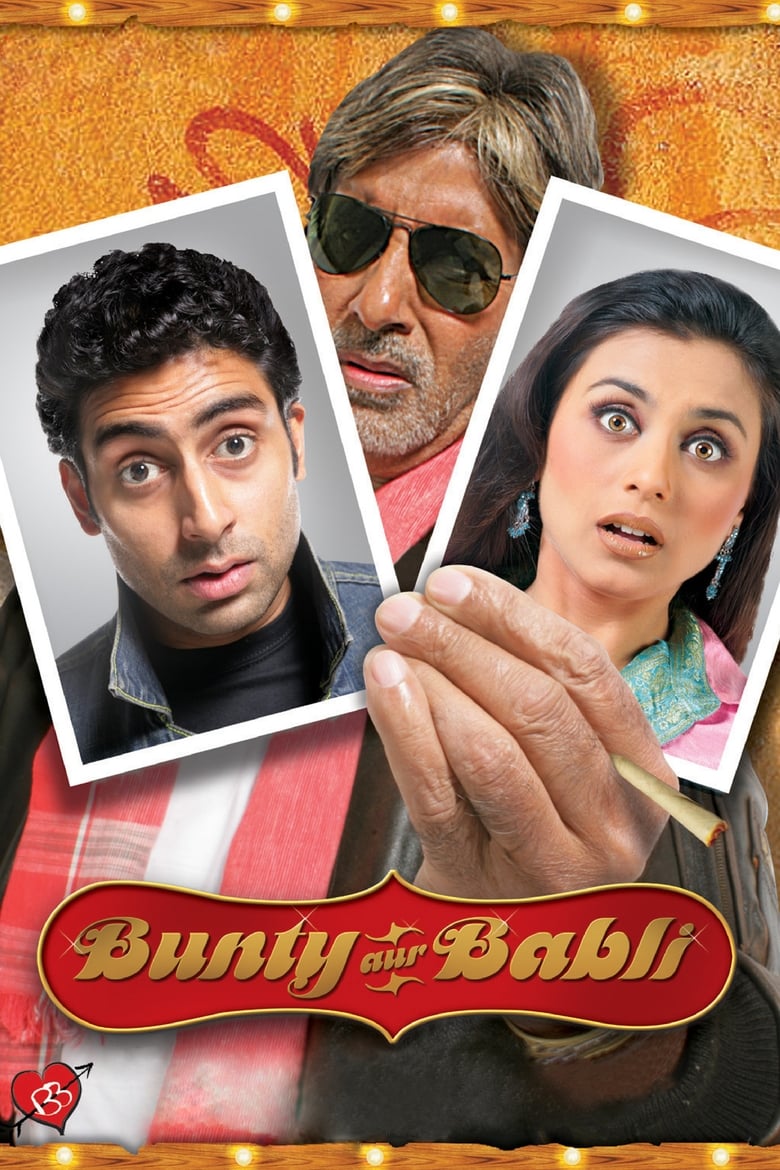
Bunty Aur Babli
2005
Not RatedDirector
Shaad Ali
Runtime
170 minutes
Average Rating
No ratings yetSynopsis
Bunty and Babli are two young people who randomly meet each other after running away from their homes to chase their dream. After facing hurdles in their path they decide to take up conning and soon become the best con artists in the country. However, their success is threatened as a relentless cop is on their trail.
Where to Watch
Diversity & Representation
Overall Score
Fair
Category Breakdown
LGBTQ+ Representation
The film focuses exclusively on a heterosexual romantic pairing. It does not engage with queer themes or non-cisnormative identities.
Gender Representation
Babli serves as a partner of equals rather than a passive character. Her agency and strategic competence challenge traditional tropes of submissive female roles.
Racial & Ethnic Diversity
The story provides a robust representation of regional identities and the socioeconomic spectrum of India. It focuses on middle-class life and domestic pursuits of wealth.
Religious & Cultural Diversity
The narrative critiques established social structures and the widening wealth gap. It frames criminal behavior as a form of social rebellion against systemic excess.
Disability Representation
There is no significant presence of characters with visible or invisible disabilities. The film lacks focus on neurodivergence or physical impairment.
Strengths
- Subverts traditional gender hierarchies by establishing a partnership of equals.
- Provides a sophisticated critique of class hierarchies and the wealth gap.
- Offers robust representation of regional identities and the Indian socioeconomic spectrum.
Areas for Improvement
- Lacks any representation of LGBTQ+ identities or queer themes.
- Provides no narrative focus on characters with physical or invisible disabilities.
- Adheres to traditional, heteronormative romantic structures.
AI Analysis
Bunty Aur Babli functions as a high-energy exploration of socioeconomic mobility. By framing the protagonists' crimes as a response to economic stagnation, the film disrupts conventional expectations of legal and social authority. The film's strength lies in its subversion of gender hierarchies and its sophisticated social commentary. The partnership between the leads emphasizes intellectual equality, while the plot critiques class-based morality. However, the film remains traditional in its romantic structures and lacks representation for LGBTQ+ identities or characters with disabilities. It operates within a narrow social and identity framework despite its progressive economic themes.
Rate this Movie
Reviews
No reviews yet. Be the first to share your thoughts on this movie!
Use the rating form above to leave a star rating and optional review.