
To the Top
2017
No user ratings available yet
Representation score: 3.5 out of 10
Representation Score
Minimal
2000
Director
Arnaud Larrieu, Jean-Marie Larrieu
Runtime
47 minutes
Average Rating
No ratings yetNew Showbiz Analysis
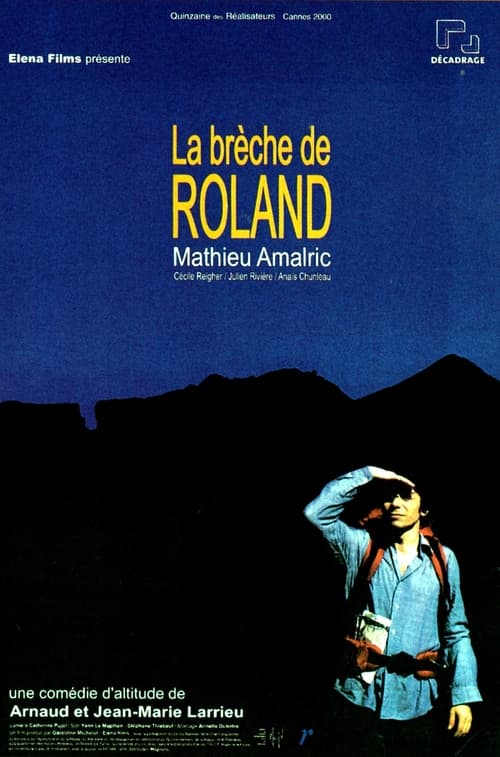
Roland's Pass is a period-specific character study that prioritizes historical authenticity over social deconstruction. The narrative structure revolves around the fraternal dynamics and traditional social structures of 1940s rural France. The film operates within a homogeneous framework, focusing on the personal endurance of a family during the German occupation. It avoids harmful stereotypes but does not intentionally explore diverse identities or challenge conventional gender roles. Ultimately, the film's lack of diversity reflects its historical setting rather than an effort to promote progressive representation.
Category Breakdown
The film focuses on traditional romantic relationships and brotherly bonds. It does not depict same-sex relationships or non-binary gender identities.
The story emphasizes male bonding and traditional gender roles. Women are shown in domestic roles, while the narrative centers on male perspectives and traditional hierarchies.
The cast is primarily white, reflecting the historical context of rural France during World War II. The film does not include non-white characters to challenge this homogeneity.
The setting is influenced by the religious traditions of village life during the German occupation. It provides a localized, historical realism without critiquing institutions.
The film does not focus on visible or invisible disabilities. Characters operate within typical physical and cognitive norms.
Present on Screen
Limited or Absent
Official Synopsis
Roland, a young father, decided to climb a famous mountain gap whose name he bears, in the company of his wife and two teenage children.
2017

1990
2020

2017

2015

2010
2018

2003
No reviews yet. Be the first to share your thoughts on this movie!
Use the rating form above to leave a star rating and optional review.