The Black Stallion Returns
1983
No user ratings available yet
Representation score: 1.3 out of 10
Representation Score
Minimal
1990
PGDirector
Peter Duffell
Runtime
103 minutes
Average Rating
No ratings yetNew Showbiz Analysis
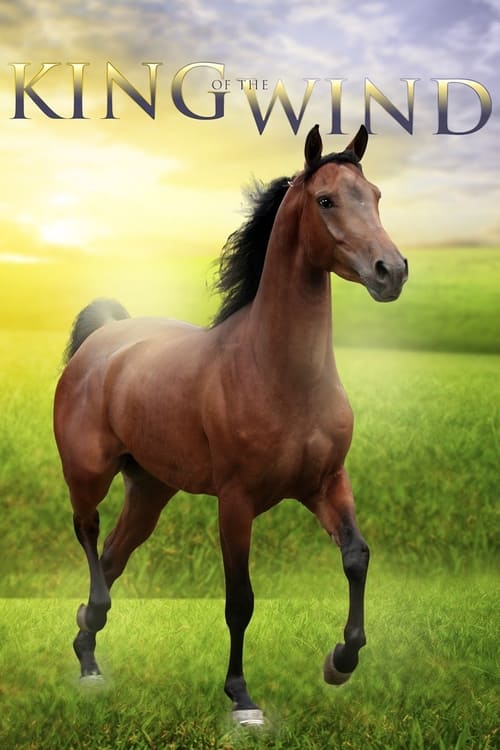
King of the Wind is a traditional historical adventure that prioritizes classical narrative structures. While it adheres to conventional patriarchal frameworks typical of period pieces, it avoids the standard Anglo-centric lens often found in Western equestrian tales. The film's strength lies in its racial representation, specifically through the central character Agba. By focusing on Arabian origins, the film offers a nuanced departure from common colonial narratives. However, the film lacks depth in gender and cultural critique. It functions as a standard meritocratic biography that reinforces historical hierarchies rather than deconstructing them.
Category Breakdown
The film follows a traditional biographical structure focused on animal husbandry and historical lineage. There are no depictions of non-binary or LGBTQ+ identities or same-sex relationships.
The narrative operates within a strictly traditional gender hierarchy. Female characters are either absent or play secondary roles in a male-dominated setting.
The film centers on an Arabian colt and a non-white protagonist named Agba, disrupting standard Anglo-centric equestrian histories. Agba plays a significant role in driving the story forward.
The story emphasizes classical Western storytelling values like perseverance and greatness. It operates within existing monarchical institutions without critiquing them.
There are no prominent depictions of physical or neurodivergent disabilities. The focus remains on the physical prowess and unique markings of the horse.
Present on Screen
Limited or Absent
Official Synopsis
In 1727, an Arab colt is born with the signs of the wheat ear and the white spot on his heel: evil and good. And thus begins the life of Sham. He is a gift to the King of France, through a series of adventures with his faithful stable boy, Agba, he becomes the Godolphin Arabian, the founder of one of the greatest thoroughbred racing lines of all time.
1983
1979
1978
1994
1985
2020
2009
1945
No reviews yet. Be the first to share your thoughts on this movie!
Use the rating form above to leave a star rating and optional review.