The Big Fix
1978
No user ratings available yet
Diversity score: 4.1 out of 10
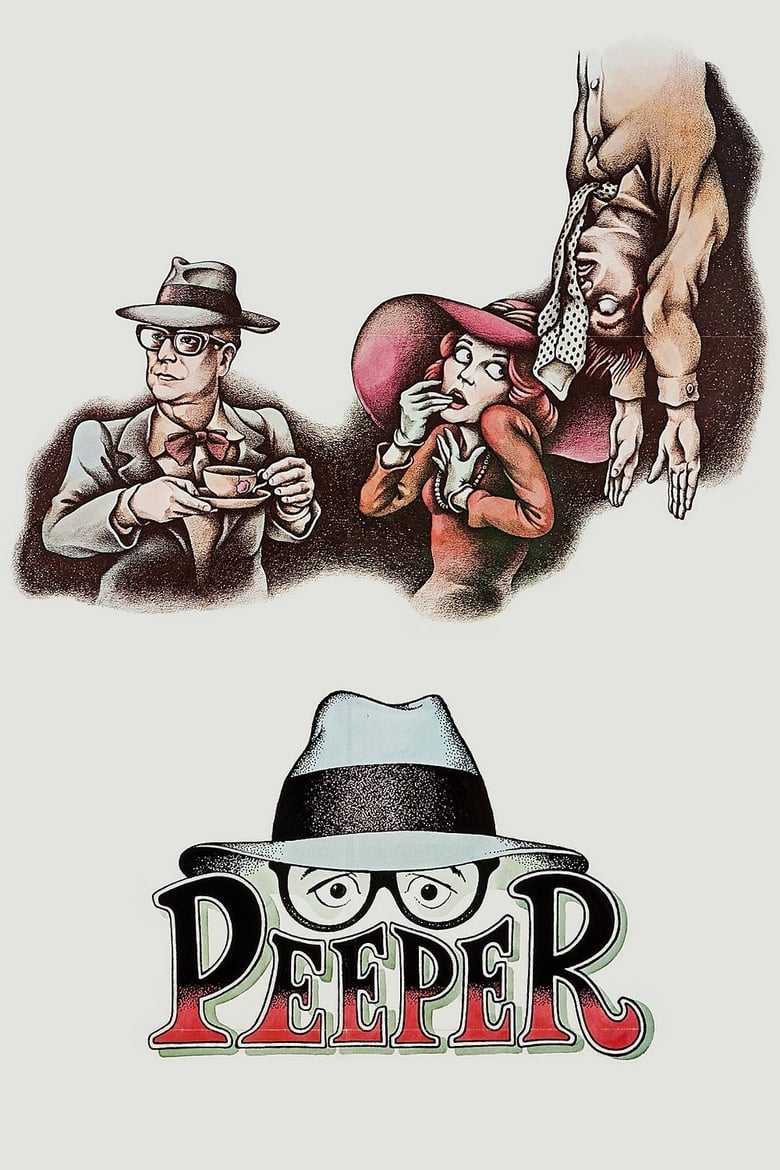
1975
PGDirector
Peter Hyams
Runtime
87 minutes
Average Rating
No ratings yetSynopsis
A detective is hired to locate a girl adopted 30 years earlier whose birth father wants to bequeath her his fortune.
Overall Score
Limited
Category Breakdown
LGBTQ+ Representation
The film functions as a 1940s noir spoof, a genre built on heteronormative romantic tensions. There is no evidence of non-cisnormative identities or critiques of heteronormativity.
Gender Representation
Female characters like the Beverly Hills widow drive the plot, but they operate within traditional frameworks of wealth and family. The protagonist's bungling nature serves comedic parody rather than a critique of masculinity.
Racial & Ethnic Diversity
Set in 1947 Los Angeles, the film appears to rely on the homogeneous casting typical of period-piece parodies. There is no indication of a diverse cast or characters of color with high agency.
Religious & Cultural Diversity
The narrative focuses on Western pillars like wealth preservation and biological lineage. It utilizes a detective framework to navigate a world defined by capitalism and established social hierarchies.
Disability Representation
The plot details and synopsis do not mention any characters with visible or invisible disabilities.
Strengths
Areas for Improvement
AI Analysis
Peeper is a genre parody that prioritizes stylistic homage to 1940s film noir over progressive social commentary. The narrative structure relies on established mid-century tropes that reinforce conventional social hierarchies rather than disrupting them. The film's setting and character motivations are rooted in traditional Western values, such as inheritance and familial obligation. This focus results in a lack of intersectional character development or systemic critique. Ultimately, the production reflects the social constraints and cinematic norms of the mid-1970s, offering a traditional experience rather than a diverse or subversive one.
No reviews yet. Be the first to share your thoughts on this movie!
Use the rating form above to leave a star rating and optional review.