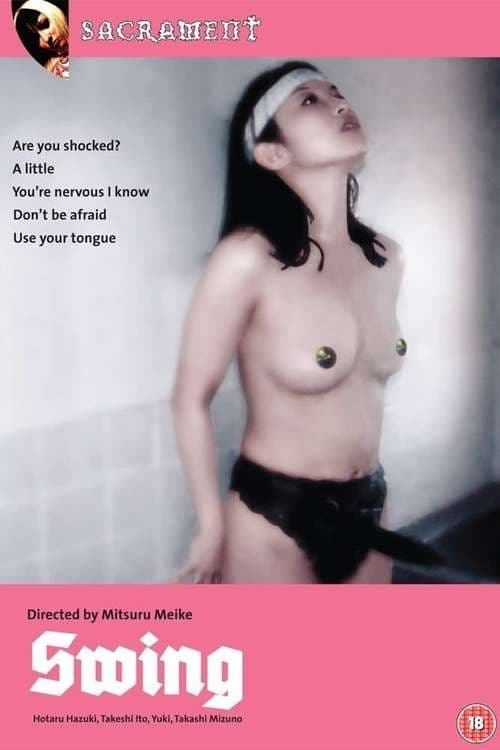
Swing
2002
No user ratings available yet
Representation score: 5.1 out of 10
Representation Score
Good
2005
Director
Shinji Imaoka
Runtime
65 minutes
Average Rating
No ratings yetNew Showbiz Analysis
Shinji Imaoka's film challenges traditional family structures by highlighting unconventional lifestyles and diverse social dynamics. It effectively dismantles the stereotype of the stable patriarchal home, emphasizing female empowerment and unique relationships. While the film provides a strong critique of traditional marriage and offers a sanctuary for non-conformists, it remains ethnically homogeneous. This specificity can limit broader racial diversity. Overall, the film excels in subverting gender norms and exploring queer-coded relationships, though it lacks representation of physical or neurodivergent disabilities.
Category Breakdown
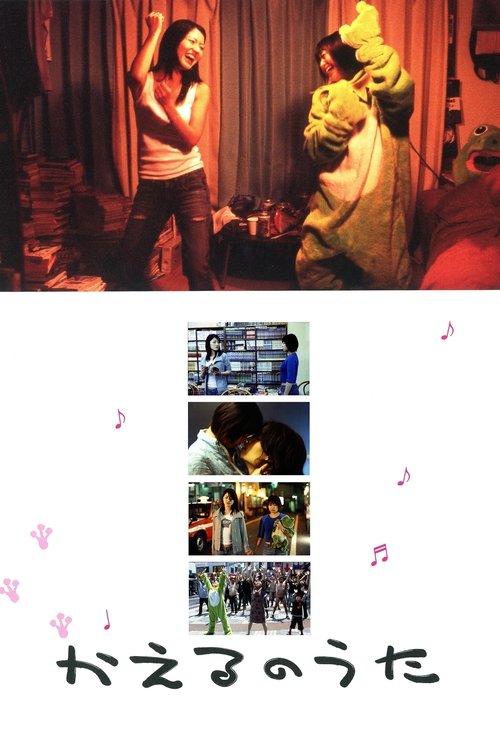
The film challenges the idea that everyone is straight by focusing on the relationship between Akemi and Kyoko. Their interactions explore intimate experiences and friendships that go beyond typical romantic relationships.
The movie flips traditional gender roles by emphasizing Akemi's independence and control over her life. Her husband becomes less of a leader and more of a catalyst for her personal growth.
The cast is made up of actors from similar ethnic backgrounds, reflecting a specific Japanese society. While the film avoids whitewashing, it doesn't include a wide range of ethnicities.
The film questions traditional views of marriage and family life. Comic book shops serve as safe spaces for those who don't fit into conventional norms.
There is no visible evidence regarding the portrayal of physical or neurodivergent disabilities.
Present on Screen
Limited or Absent
Official Synopsis
Walking out on her husband after discovering his infidelity, Akemi Kudo finds refuge in a comic-book shop, where she meets Kyoko Ito -- a would-be manga artist. Soon the unbridled Kyoko introduces Akemi to a new world of sensual experiences, but their fragile friendship is put to the test as Akemi contemplates returning to her two-timing spouse.
2002
1997
2021
2009

2008
2004

2023
2019
No reviews yet. Be the first to share your thoughts on this movie!
Use the rating form above to leave a star rating and optional review.