
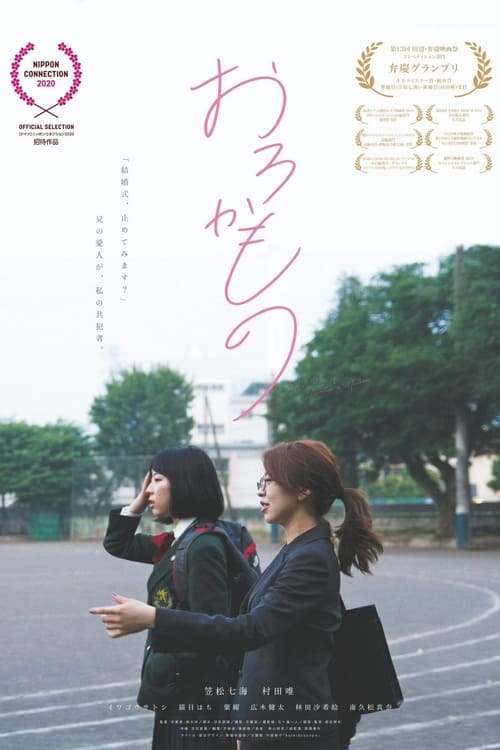
Sister's Younger Husband
2016
No user ratings available yet
Representation score: 4.8 out of 10
Representation Score
Good
2019
Director
Takashi Haga, Sho Suzuki
Runtime
96 minutes
Average Rating
No ratings yetNew Showbiz Analysis
Me & My Brother’s Mistress succeeds by challenging traditional family structures. It shifts focus from conventional moralism to explore the complexities of women's ability to drive the story and unconventional relationships. By focusing on women navigating their own social realities, the film offers a nuanced perspective on modern social issues. While the film lacks racial or disability-based diversity, it excels in its subversion of traditional marriage expectations. The central relationship between Yoko and Misa provides a meaningful exploration of non-traditional intimacy and complex interactions.
Category Breakdown
The film examines the emotional connection between Yoko and Misa, who reject traditional marriage structures. Their relationship highlights a shared experience that goes beyond typical sibling rivalry.
The story emphasizes the role of women in driving the plot, shifting power dynamics away from male dominance. It focuses on a female-centric alliance rather than traditional male-led decision-making.
The film centers on a culturally homogeneous Japanese cast, reflecting a specific social context without resorting to harmful stereotypes.
The movie prioritizes personal ethical truths over traditional moral frameworks. It emphasizes individual emotional experiences over the sanctity of marriage or family traditions.
There are no visible or mentioned depictions of physical or neurodivergent disabilities in the narrative.
Present on Screen
Limited or Absent
Official Synopsis
Yoko, a high school student, lives with her brother, Kenji. Since they lost their parents early, they have been supported each other. One night, Yoko witnesses Kenji, who is planning to get married, having an affair with Misa. Kenji’s cheating makes Yoko frustrated; however, Yoko felt uncomfortable and unsatisfied with Kenji's fiancé, Kaho, because Kaho suddenly cut into life of Kenji and Yoko. In a weekend, Yoko tails Misa and decides to speak to her. Compulsion and curiosity make Yoko confront Misa, but Yoko is seduced by Misa’s gentle and strong yet unstable character. Then, Yoko tells Misa, “Why don’t we stop my brother’s wedding?” A strange complicity relationship between two women begins.
2016

2010

2021

2023
2019
2021
2021
2005
No reviews yet. Be the first to share your thoughts on this movie!
Use the rating form above to leave a star rating and optional review.